AI Agents Transform Paid Social Ads in 2026
SS
A few years ago, running social media ads was all about finding the right audience, creating a few ad variations, and then spending hours tweaking campaigns based on performance reports. Marketers would constantly monitor dashboards, adjust budgets, test creatives, and hope their next optimization would improve results.
Fast forward to 2026, and things look very different.
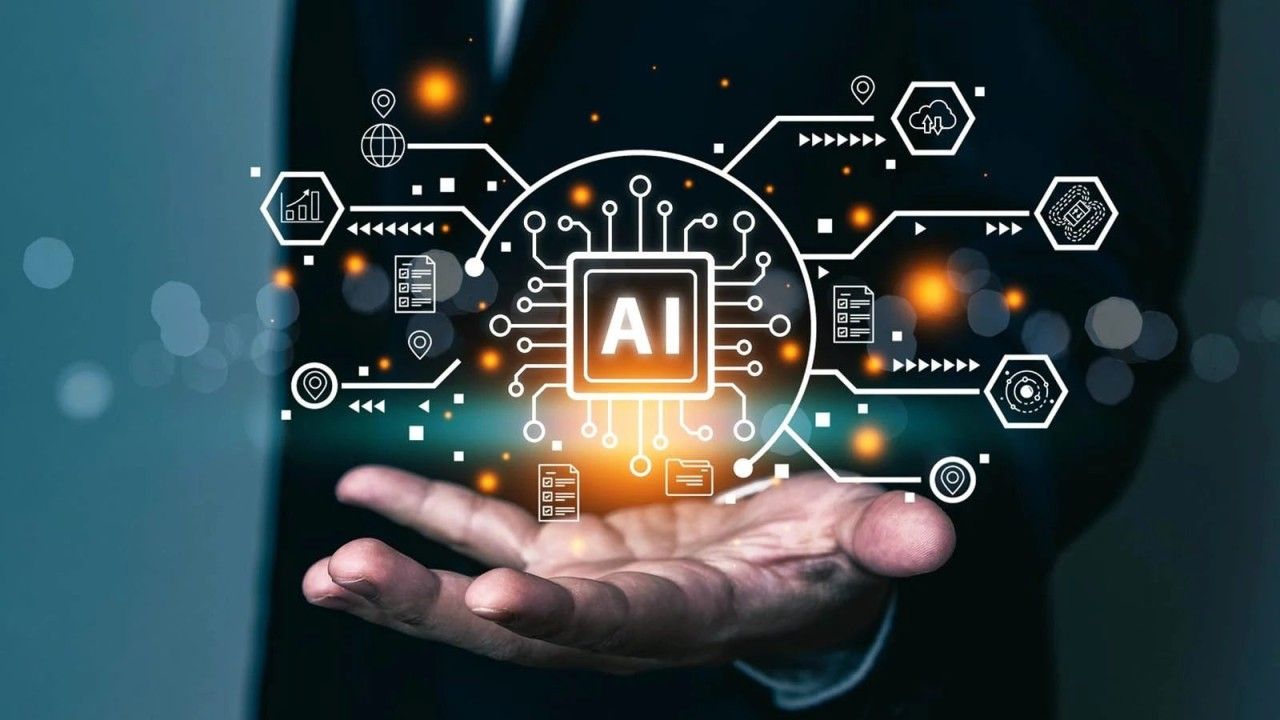
Today, many of those repetitive tasks are being handled by AI agents—intelligent systems that can analyze performance, spot patterns, make recommendations, and even take action without waiting for a marketer to step in. While artificial intelligence has been part of digital advertising for years, the rise of AI agents is changing the game entirely.
What's making this shift even more significant is the growing focus on privacy. With stricter regulations and consumers becoming more aware of how their data is used, businesses can no longer rely on the same targeting methods that worked in the past. This is where the combination of AI and privacy-first marketing becomes incredibly powerful.
The rise of AI-driven social media ads 2026 is proving that advertisers can still achieve strong results without compromising user trust.

Why Paid Social Advertising Needed a Change
If you've managed paid campaigns recently, you've probably noticed how much harder it has become to get consistent results.
Audience behavior changes quickly. Platforms update their algorithms constantly. Privacy regulations limit access to user data. At the same time, advertising costs continue to increase.
Many marketers have found themselves spending more money while getting fewer insights than they did just a few years ago.
The challenge isn't that social media advertising no longer works. The challenge is that the old way of managing campaigns isn't keeping up with the speed of today's digital landscape.
This is one of the main reasons businesses are investing heavily in AI-assisted ad targeting 2026 solutions.
Instead of manually analyzing thousands of data points, marketers can now use AI agents to identify opportunities, predict trends, and optimize campaigns in real time.

So, What Exactly Are AI Agents?
Think of an AI agent as a highly efficient marketing assistant that never sleeps.
Unlike traditional automation tools that follow a fixed set of rules, AI agents learn from data and continuously improve their decision-making.
For example, let's say you're running ads for an e-commerce store. An AI agent can monitor which audience segments are converting best, identify which creative is generating the highest engagement, and automatically shift budget toward the best-performing campaigns.
What might take a marketing team several days to discover can often be identified by an AI agent within hours.
This doesn't mean marketers are becoming obsolete. It simply means they can spend less time buried in spreadsheets and more time focusing on strategy, storytelling, and customer experience.
The Rise of AI-Driven Social Media Ads 2026
One of the biggest shifts we're seeing is the move from campaign management to campaign intelligence.
In the past, marketers would make decisions based on historical reports. Today, AI systems are making decisions based on what's happening right now.
Imagine launching five different ad creatives. Traditionally, you might wait a week before deciding which one performs best.
An AI-powered system can detect winning trends almost immediately. It can increase budget allocation, reduce spending on underperforming ads, and continuously optimize results while the campaign is running.
This is why AI-driven social media ads 2026 are becoming the preferred approach for brands looking to maximize return on ad spend.
The goal is no longer just automation.
The goal is smarter decision-making.
How AI-Assisted Ad Targeting 2026 Is Becoming More Effective
One common misconception is that better targeting requires more personal data.
In reality, the opposite is becoming true.
Modern AI systems are getting better at understanding intent rather than simply tracking behavior.
For example, instead of targeting someone because they visited a specific website six months ago, AI can identify signals that suggest a person is actively researching a product category today.
This approach makes AI-assisted ad targeting 2026 more relevant and more respectful of user privacy.
Rather than chasing users across the internet, advertisers can focus on understanding needs, interests, and buying signals in a much smarter way.

Why Privacy Is No Longer Optional
Consumers are paying attention.
People want personalized experiences, but they also want control over their data.
Brands that fail to respect privacy are increasingly losing customer trust.
This is why every business needs a privacy-first paid social strategy 2026.
A privacy-first approach doesn't mean abandoning personalization. It means using data responsibly and transparently.
Successful brands are focusing on:
- First-party customer data
- Email subscribers
- Loyalty programs
- Community engagement
- Consent-based marketing
Instead of relying heavily on third-party tracking, they are building direct relationships with their audiences.
AI agents then help make sense of this data while maintaining compliance with evolving privacy standards.
The Human Side of AI Advertising
One thing that often gets overlooked in discussions about artificial intelligence is that people still connect with people.
AI can optimize campaigns.
AI can analyze data.
AI can predict trends.
But it can't replace genuine human creativity.
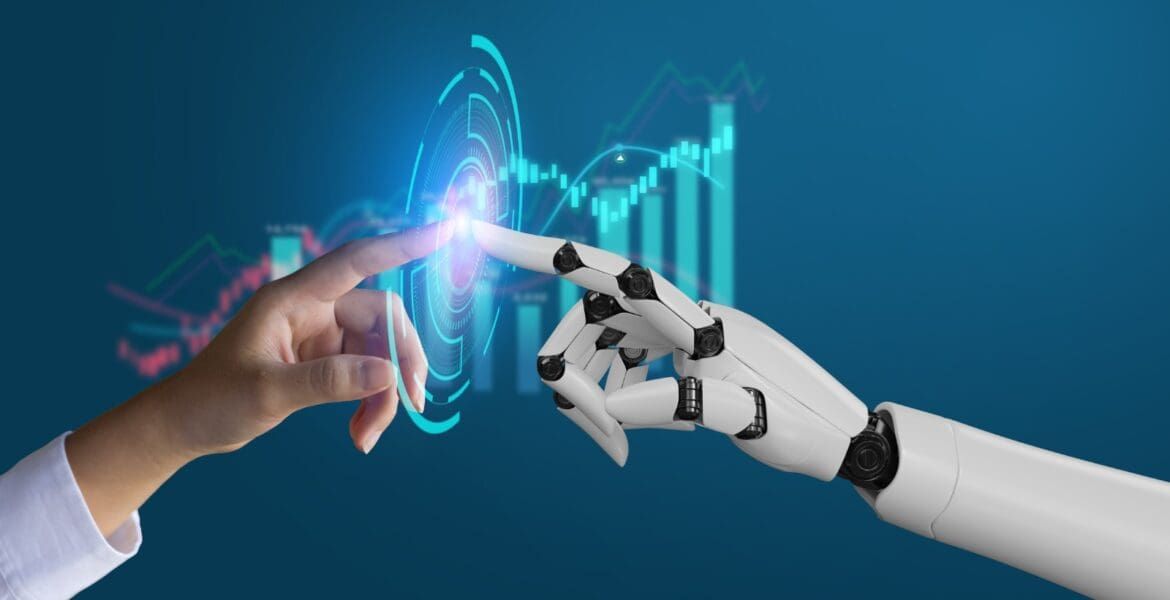
The brands seeing the best results today are not replacing marketers with AI. They're empowering marketers with AI.
The technology handles the heavy lifting, while humans focus on building emotional connections, creating memorable campaigns, and telling stories that resonate with their audience.
That balance is what makes modern advertising so powerful.
Looking Ahead
As we move through 2026, it's becoming clear that AI agents are not just another marketing tool. They're becoming an essential part of how successful paid social campaigns operate.
Businesses that embrace AI-driven social media ads 2026, adopt AI-assisted ad targeting 2026, and implement a privacy-first paid social strategy 2026 will be better positioned to compete in an increasingly complex digital environment.
The future of advertising isn't about collecting more data.
It's about using intelligence more effectively, respecting customer privacy, and creating experiences that genuinely matter.
And that future has already arrived.