Beyond Keywords: Navigating the Era of Answer-Engine Optimization (AEO) in 2025
SS
Introduction: Traditional SEO Is Under Pressure – Enter AEO
The world of search has entered a new chapter. Instead of typing keywords into a search bar, users are now asking full questions to AI assistants and expecting instant, conversational answers—not long lists of blue links.
This shift is transforming how brands get discovered.
Search engines are no longer the only gatekeepers; AI chatbots and generative search engines are now deciding which content gets surfaced.
This is why the rise of Answer-Engine Optimization (AEO)—also known as GEO (Generative Engine Optimization)—is one of the biggest SEO disruptions since mobile-first indexing.
If SEO has been about ranking, AEO is about being the chosen answer.
Section 1: What Is AEO/GEO and How It Differs From Traditional SEO
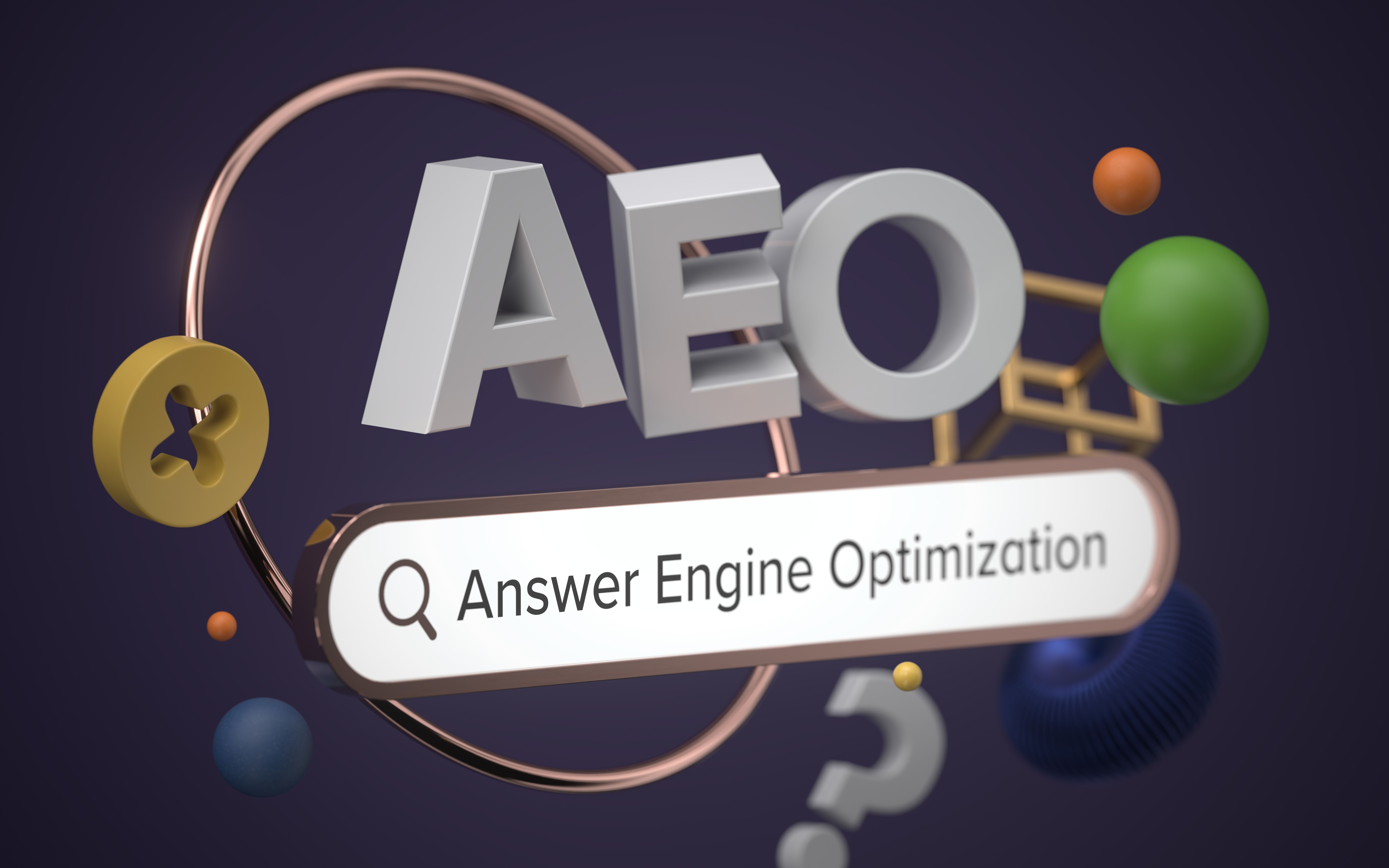
What Exactly Is Answer-Engine Optimization?
AEO is the process of optimizing your content so that AI-driven platforms like:
- ChatGPT Search
- Google AI Overviews
- Perplexity AI
- Meta AI
- Bing Copilot
…can understand your content semantically, extract information accurately, and present it as the best answer to a user’s query.
It’s not just ranking—
It’s winning the AI’s trust.
AEO vs SEO — The Full Breakdown
| Feature | Traditional SEO | AEO / GEO (2025 Search) |
| Goal | Rank high on Google | Become the primary answer in AI chat |
| Focus | Keywords | Intent + structure + clarity |
| Format | Long-form content | Crisp, extractable, answer-style content |
| Traffic | Clicks to website | Mentions, citations, conversational visibility |
| Signals | Backlinks, on-page SEO | Authority, schema, semantic structure |
| Users | Humans searching | Humans + AI interpreting content |
AEO does not replace SEO — it enhances it.
Think of it as “SEO evolved for the AI era.”

Section 2: What’s Driving This Massive Shift?
1. AI Chatbots Becoming Default Search Tools
People now ask AI the same questions they once asked Google.
Examples:
- “Find me the cheapest flight from Delhi to Dubai in January.”
- “Write me a 7-day high-protein diet plan for fat loss.”
- “Which CRM is best for small businesses in 2025?”
AI gives a summary, not a list of links.
If AI doesn’t know your brand exists, you don’t exist.

2. Generative Search Engines Are Replacing Traditional Search
Platforms like Perplexity and ChatGPT Search are becoming everyday tools.
They generate:
- Synthesized answers
- Comparisons
- Recommendations
- Summaries
- Personalized suggestions
They rely heavily on content understanding over basic keywords.
3. Users Want Instant, Accurate Answers
In 2025, user behavior is driven by:
- Zero patience for long blogs
- Preference for conversational tone
- Higher expectations for accuracy
- Need for personalised results
This is why answer engines are thriving—they deliver clarity, speed, and relevance.
Section 3: Key AEO Tactics That Work in 2025 (Expanded & Detailed)
1. Use Structured Data & Schema Markup Everywhere
AI engines extract answers based on clean structure.
Most brands still underestimate this.
Important schema types include:
- FAQ schema
- How-To schema
- Medical/Financial schema
- Product schema
- Article schema
- Author/Organization schema
The more structured your content, the more “AI-friendly” it becomes.
💡 Pro Tip: Use JSON-LD schema + add mini-FAQs within every blog.

2. Write Conversational Content That Mimics Human Questions
AEO loves content that answers:
- What
- Why
- How
- When
- Pros/cons
- Step-by-step guides
This means your blog format should look like expanded answers, not essays.
Example:
Old SEO style:
“Top ways to reduce bloating include dietary changes, hydration, and probiotics.”
AEO style:
Q: What reduces bloating quickly?
A: Drinking water, avoiding salt, taking probiotics, and reducing processed food can reduce bloating within hours.

3. Build Strong Authority (E-E-A-T Is Now Critical)
AI engines prioritize:
- Verified experts
- Authors with credentials
- First-hand experience
- Case studies
- Trust signals
Brands must highlight:
- “Who wrote this?”
- “Why should we trust them?”
- “What expertise backs this claim?”
AI wants credibility—not generic advice.
4. Create Multi-Format Content for Better Extraction
AI engines prefer:
- Tables
- Lists
- Definitions
- Comparisons
- Processes
- Summaries
Each of these is easier for AI to extract and present.
Example formats that AI loves:
- Pros and cons lists
- Step-by-step methods
- Key facts tables
- Short definitions
- Mini Q&A blocks
5. Optimize for Prompt-Like Queries
Search is becoming prompt-based.
Your content should match how people ask questions in chat.
Examples:
- “Which protein powder is best for beginners?”
- “What is the difference between AEO and SEO?”
- “Explain influencer marketing for small brands.”
Your H2 headings should reflect these natural-language queries.

Section 4: What Agencies Need to Do Now (More Detailed)
1. Run an AEO Readiness Audit
Check:
✔ Page structure
✔ Readability
✔ Schema markup
✔ Author credibility
✔ Q&A sections
✔ Topic authority
✔ Internal linking
✔ AI answer-friendliness
This will show which content is “AI-extractable” and which is not.
2. Shift Keyword Strategy from Keywords → Questions
Keywords are still important, but they’re expanding into full conversational prompts.
Example shift:
- “digital marketing tools” → “What are the best digital marketing tools for small businesses in 2025?”
- “best diet plan” → “Create a weekly diet plan for weight loss with high protein.”
This is how AI understands search today.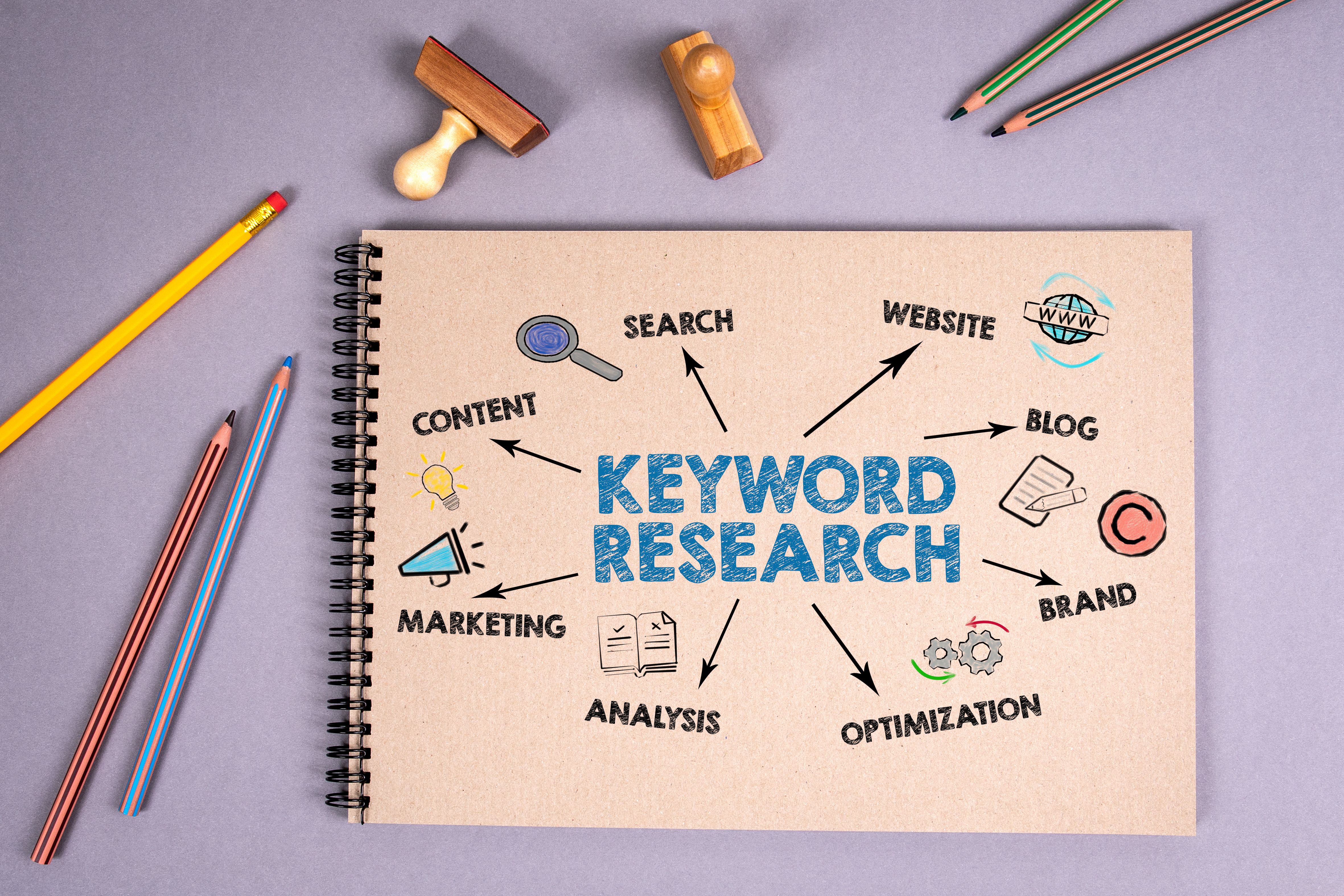
Old SEO metrics:
- SERP position
- CTR
- Organic clicks
New AEO metrics: - AI citations
- Visibility inside generative engines
- Brand mention frequency
- Answer share
- Model-level recall (how often AI remembers your brand)
This is the future reporting method for agencies.
4. Train Teams in AEO Writing Style
Writers must start learning:
- Intent-focused writing
- Answer-driven formatting
- Schema integration
- Semantic optimization
- Expert commentary
- Data-backed claims
AEO writing is a specialized skill.
5. Build “Topic Authority Clusters”
AI engines love trusted experts.
Build authority by producing:
- Pillar pages
- Multiple supporting blogs
- Case studies
- Infographics
- Expert insights
This creates a web of authority AI cannot ignore.
Section 5: Case Examples & Expanded AEO Mini Audit Checklist
Real-World Example
A skincare brand used AEO principles:
- Added structured FAQs
- Rewrote content to be conversational
- Updated schema
- Added dermatologist commentary
Within 60 days: - They began appearing in Perplexity answers
- Their citations in AI Overviews increased
- Their visibility grew despite lower Google rank
This is the AEO advantage.
Expanded AEO Audit Checklist
Your content is AEO-ready if it satisfies:
⬜ Does it answer core questions clearly in the first 3–5 lines?
⬜ Does it use question-style headings?
⬜ Does it follow a logical, easy-to-extract structure?
⬜ Does it contain expert opinions or clear authority signals?
⬜ Does it include numbers, facts, examples, and definitions?
⬜ Are FAQs present at the bottom of the page?
⬜ Have you added schema for FAQs, articles, and authors?
⬜ Is your content updated for 2024–25 insights?
⬜ Does the blog include short, crisp takeaways?
⬜ Are you linking to supporting articles to build topical depth?
If you tick 7+ boxes, your content is ready for AI search.
Conclusion: AEO Is the Future of Visibility — The Shift Starts Now
In 2025, visibility belongs to the brands that answer questions—not just target keywords.
AEO and GEO are rewriting the rules of content, ranking, and digital presence.
If you want to stay discoverable in the world of AI-driven search, you must evolve.
Brands that act now will dominate answer engines for years.
👉 Book an AEO Audit with Srikaram Digital Marketing