
Digital vs. Traditional Marketing in 2025: What’s Driving the Shift
SS
The marketing playbook has undergone a dramatic transformation — and 2025 marks a major milestone. Businesses large and small are rethinking how they connect with their audiences. The big change? A massive shift in marketing budgets from traditional to digital channels.
This shift isn’t happening because digital is “new and shiny.” It’s happening because today’s consumers are more connected, more selective, and more demanding. If you’re not online, you’re invisible.
Let’s explore why digital marketing trends in 2025 are shaping the future and how traditional vs digital marketing is no longer a rivalry but a strategic redirection.
Consumers Have Moved — Have You?
In 2025, we’re not just living in a digital world — we’re thriving in it. Whether it’s shopping, socializing, or searching for a service, most people begin and end their journey online.
Over 87% of purchase decisions start with an online search.
People now spend more than 7 hours a day on digital platforms.
Voice assistants, AI suggestions, and personalized ads are now part of everyday life.
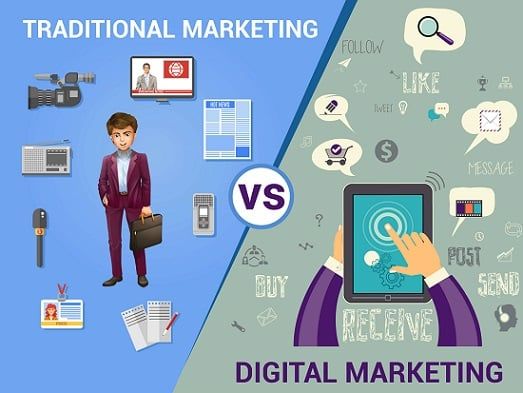
Compare this with traditional methods like TV commercials, newspaper ads, or roadside billboards. Sure, they still exist, but their impact and measurability have significantly diminished.
Traditional vs Digital Marketing: A Clear Divide
Let’s break it down:
| Traditional Marketing | Digital Marketing |
| TV, radio, newspapers | Social media, email, Google ads, |
| Expensive & slow to launch | Affordable & fast turnaround |
| One message for all | Personalized content for every audience |
| Hard to measure ROI | Real-time performance tracking |
| Limited reach | Global reach, 24/7 visibility |
This shift doesn't mean traditional marketing is obsolete. In some industries and regions, it still holds value — especially for brand recall and older demographics. But for most modern businesses, digital offers speed, scale, and smarter returns.
What’s Fueling the Marketing Budget Shift in 2025?
One word: Effectiveness.
Businesses are reallocating budgets because digital platforms provide better data, better targeting, and better ROI. Here's what’s really driving the marketing budget shift:
1. Real-Time Results & ROI
With tools like Google Analytics, Meta Ads Manager, and CRM integrations, marketers can track every touchpoint. No more guessing — you know exactly what works and what doesn’t.
2. Micro-Targeting Capabilities
Want to target 35-year-old cat lovers in Mumbai who just got married? Digital can do that. Try doing the same with a newspaper ad.
3. Consumer-Centric Experiences
In 2025, customer experience is marketing. Personalization, fast response times, and multi-platform engagement are what digital marketing delivers best.
4. Budget Flexibility
Instead of committing to a costly TV spot, digital lets you test, pause, scale, or change campaigns anytime. It’s dynamic, like today’s consumer.
Top Digital Marketing Trends in 2025
To stay relevant, brands must keep up with the latest digital marketing trends in 2025. Here are some key trends businesses are leveraging:
- AI & Machine Learning: From chatbots to content creation, AI is streamlining campaigns and improving personalization.
- Voice Search: Optimizing for how people talk — not just how they type — is becoming essential.
- AR Shopping Experiences: Brands are using Augmented Reality to let customers "try" products before buying.
- Sustainable Marketing: Consumers now favor brands that align with ethical and eco-friendly practices.
- Short-Form Video Content: TikTok, Instagram Reels, and YouTube Shorts dominate content consumption.
These trends aren’t optional. They’re becoming standard expectations for digital-savvy customers.

The Takeaway: Adapt or Be Forgotten
In 2025, the message is clear: If you’re not investing in digital, you’re losing market share. The shift from traditional to digital marketing isn’t just about technology — it’s about relevance.
Customers want brands that understand them, meet them where they are, and offer meaningful experiences. And all of that is happening in the digital space.
While traditional marketing may still offer credibility and legacy value, it's no longer the main driver of growth. Digital marketing is where the decisions are made, the actions are taken, and the conversions happen.
Final Words
To succeed in 2025 and beyond, businesses must rethink how they build trust, generate leads, and drive revenue. That means embracing digital marketing trends in 2025, understanding the real difference between traditional vs digital marketing, and making a conscious marketing budget shift towards channels that deliver measurable impact.
Because in today’s fast-moving market, staying still is the fastest way to fall behind.