How Generative AI is Reshaping Digital Marketing in 2025
SS
Introduction: Why This Moment Matters
2025 marks a turning point for marketers worldwide. Generative AI has moved from “interesting experiment” to core marketing infrastructure, reshaping how agencies create content, run campaigns, analyze audiences, and deliver results. With consumer expectations rising and platforms shifting toward automation, understanding generative AI in marketing is no longer optional—it’s a competitive necessity.
Digital marketing agencies, especially growth-focused teams like Srikaram Digital Marketing, are seeing unprecedented opportunities: faster creativity, smarter personalization, and data-driven execution at a scale humans alone cannot achieve.
Section 1: What Generative AI Really Means in Marketing Today
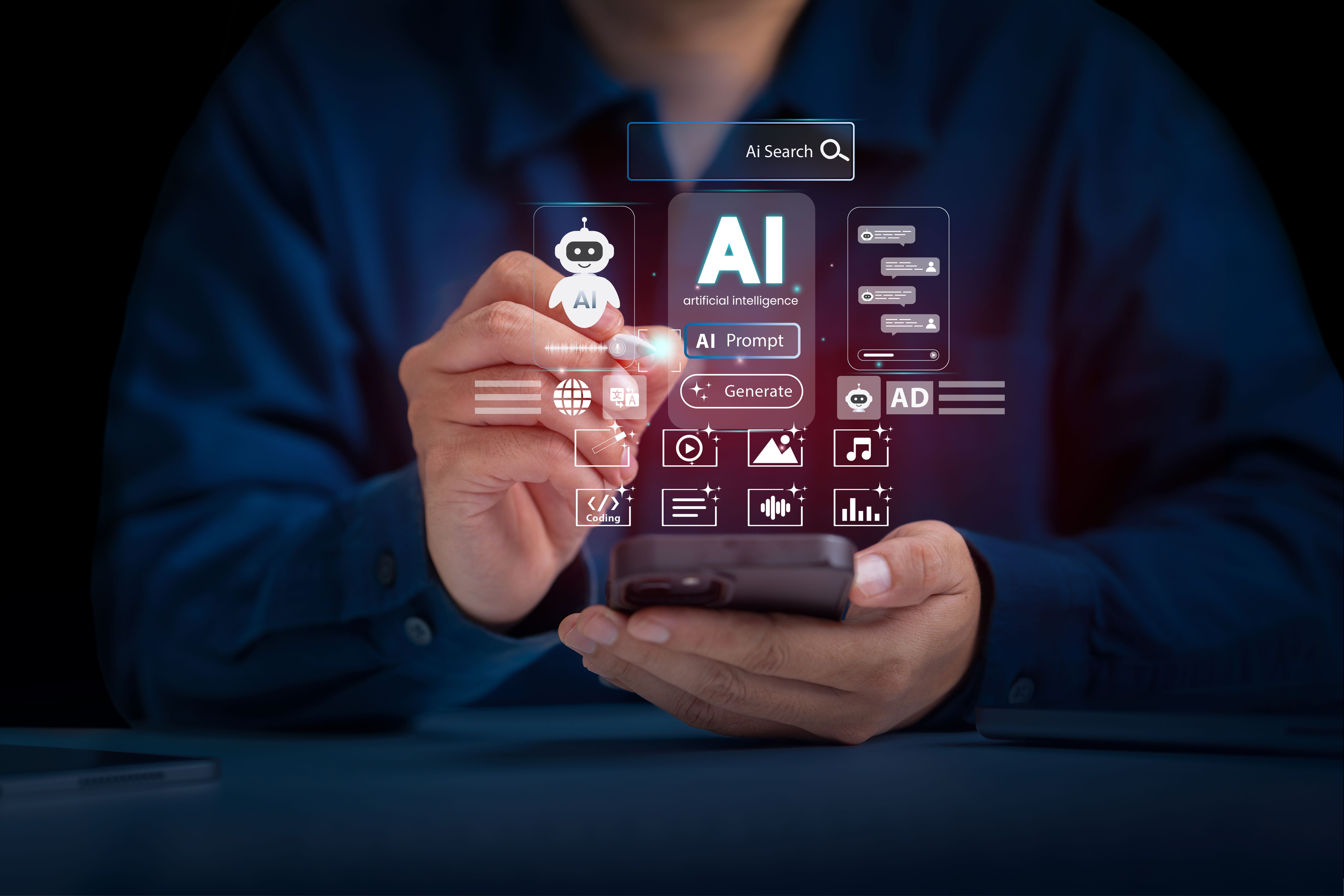
Generative AI in 2025 is far more advanced than earlier versions that only produced basic text or images. Today, it:
- Understands brand voice and tone
- Generates highly personalized messaging for micro-segments
- Produces ready-to-launch campaigns, videos, landing pages, and ad copy
- Acts as a marketing co-strategist, not just a content tool
- Helps teams analyse massive datasets to forecast behaviour and performance
In simple terms, AI-powered marketing 2025 blends creativity + automation + prediction. It’s not replacing marketers—it’s upgrading the way they think, build, and execute.
Section 2: Key Use-Cases Transforming the Industry
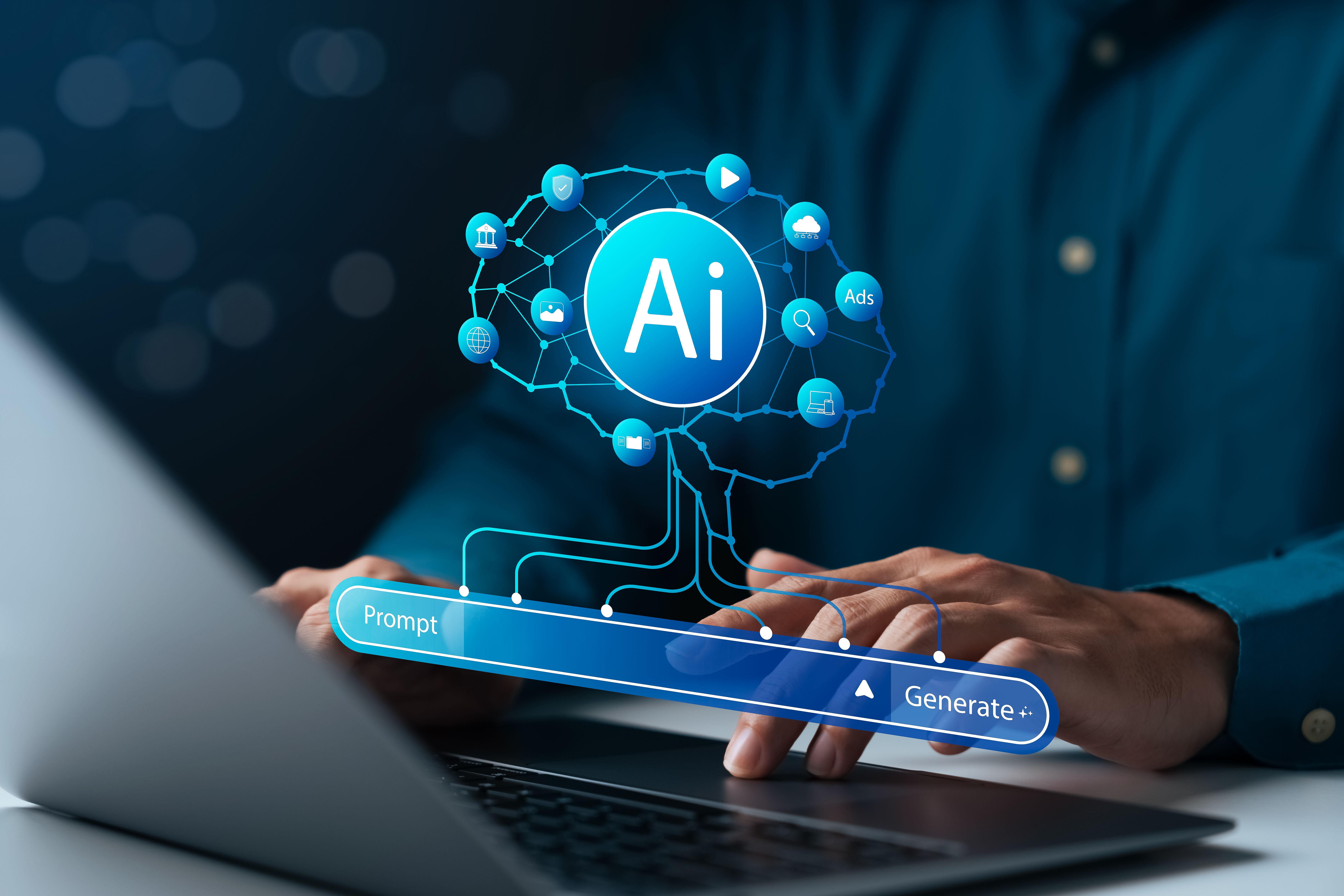
Here are the most impactful generative AI in marketing use cases agencies are leaning on in 2025:
1. Content Ideation & Long-Form Content Creation
AI tools now generate:
- Campaign concepts
- Blog outlines and drafts
- Social media content calendars
- SEO-optimized articles
This reduces ideation time from hours to minutes, allowing teams to focus on refinement and strategy.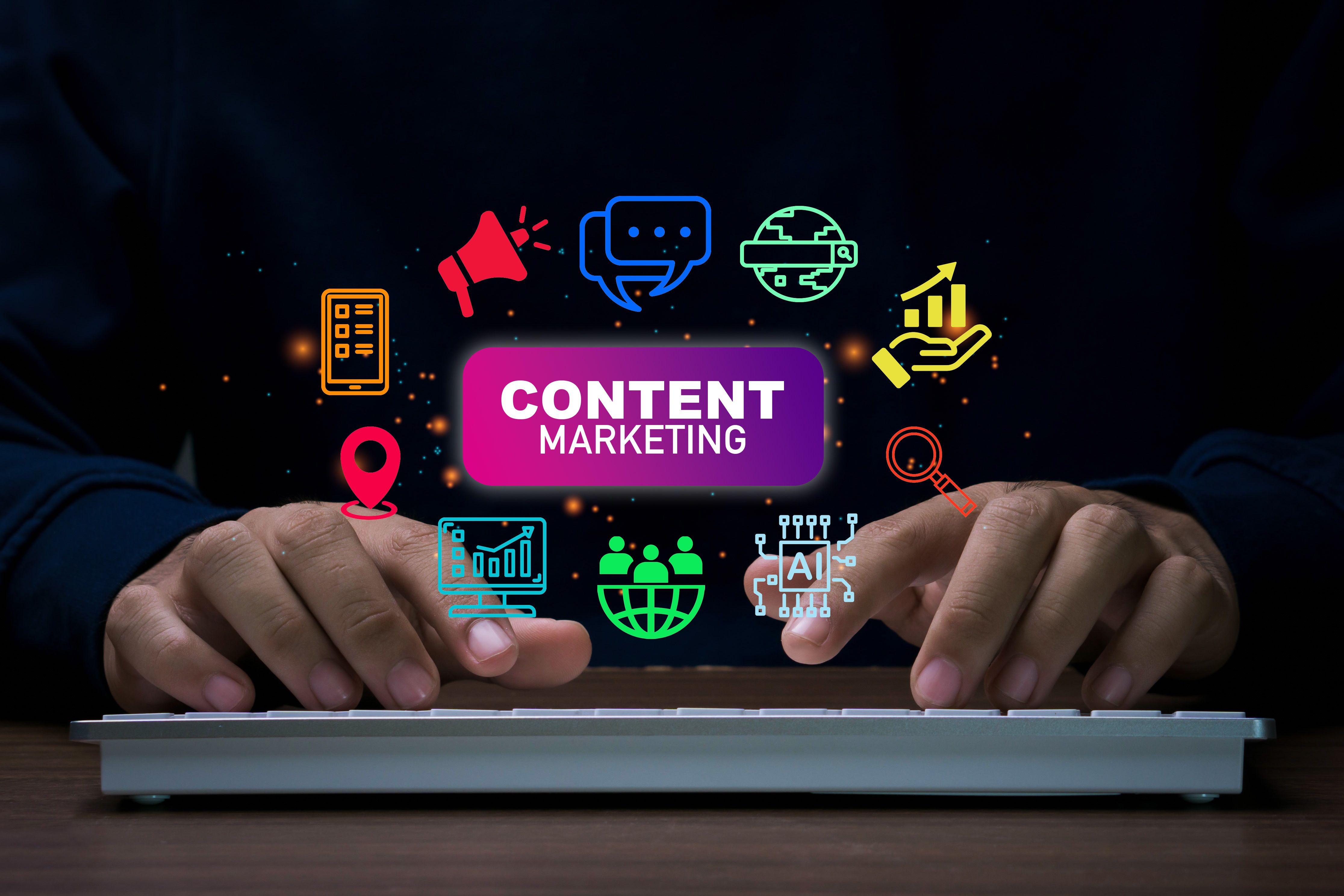
2. Video Creation & Hyper-Personalized Visual Assets
AI video generators in 2025 can:
- Produce human-like avatars
- Create product videos, explainers, tutorials
- Auto-generate B-roll and brand-specific animation
This supports consistent, high-volume video marketing without huge production costs.
3. Campaign Automation & Performance Optimization
With marketing automation with AI, agencies can:
- Build entire ad campaigns (Google, Meta, LinkedIn) from scratch
- Auto-test variations
- Predict which creatives will perform best
- Adjust budgets in real time
AI is effectively becoming a default performance marketer inside every agency.
4. Audience Insights & Behaviour Prediction
Tools now analyze:
- Search behaviour shifts
- Social sentiment
- Seasonal buying triggers
Agencies can spot trends earlier and react faster.
Section 3: How AI is Changing SEO, Content Strategy & Agency Workflows
Generative engines like ChatGPT Search, Perplexity, and Google’s AI Overviews are rewriting the rules of search.
Brands must adapt with:
- First-hand expertise content
- Multi-format assets (text + video + data visuals)
- Strong brand identity & topical authority
- Human-led insights (because AI prioritizes experience)
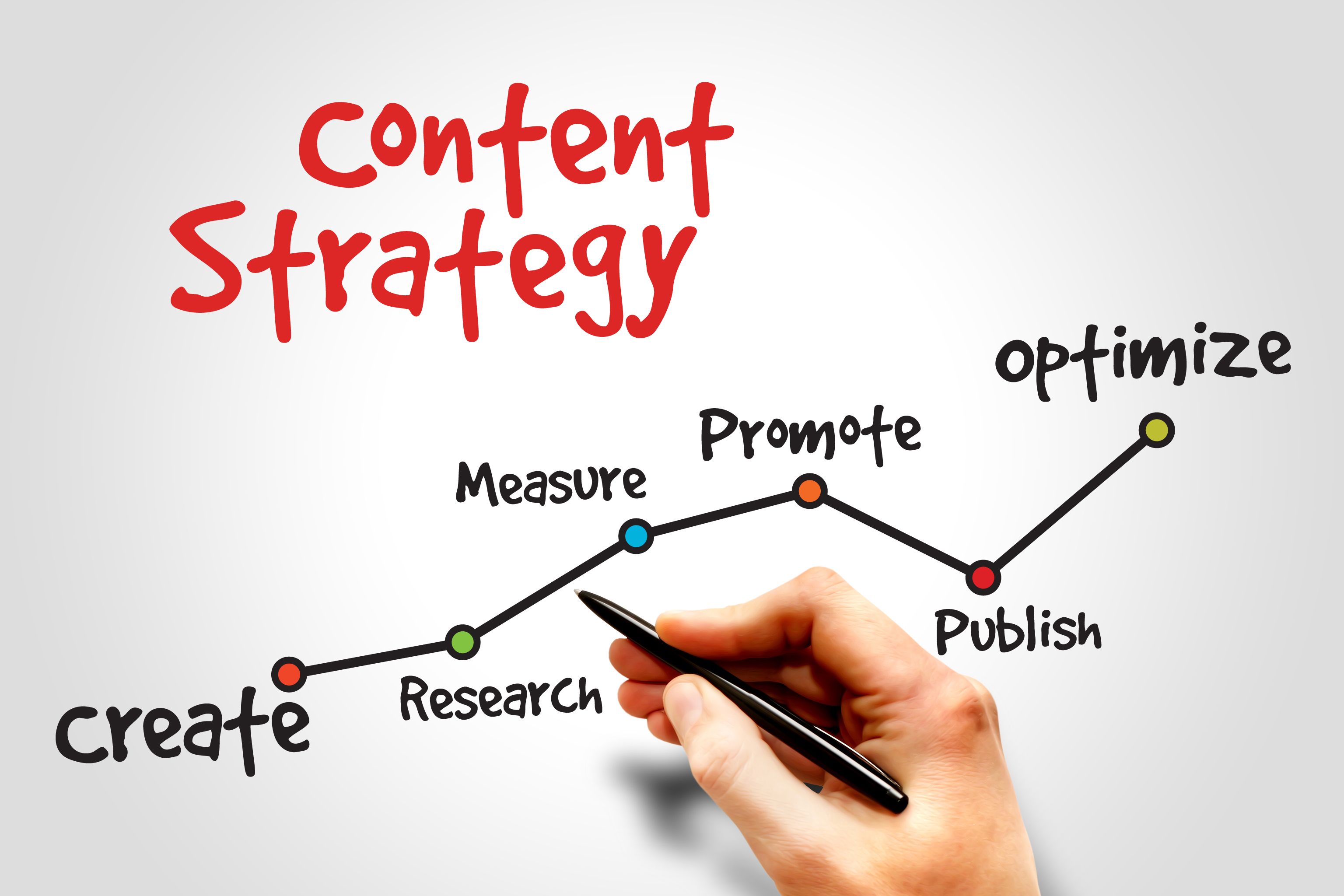
Marketers are shifting from “publish more” to “publish smarter.”
AI helps:
- Identify content gaps
- Build content clusters
- Map user journeys
- Personalize messaging by segment
Generative AI content strategy is now data-led and highly adaptive.
Agency Workflows: Faster, Leaner, More Creative
AI handles the mechanical tasks so teams can focus on:
- Creative direction
- Strategy
- Client communication
- Performance insights
Agencies that adopt AI see 40–60% productivity gains across workflows.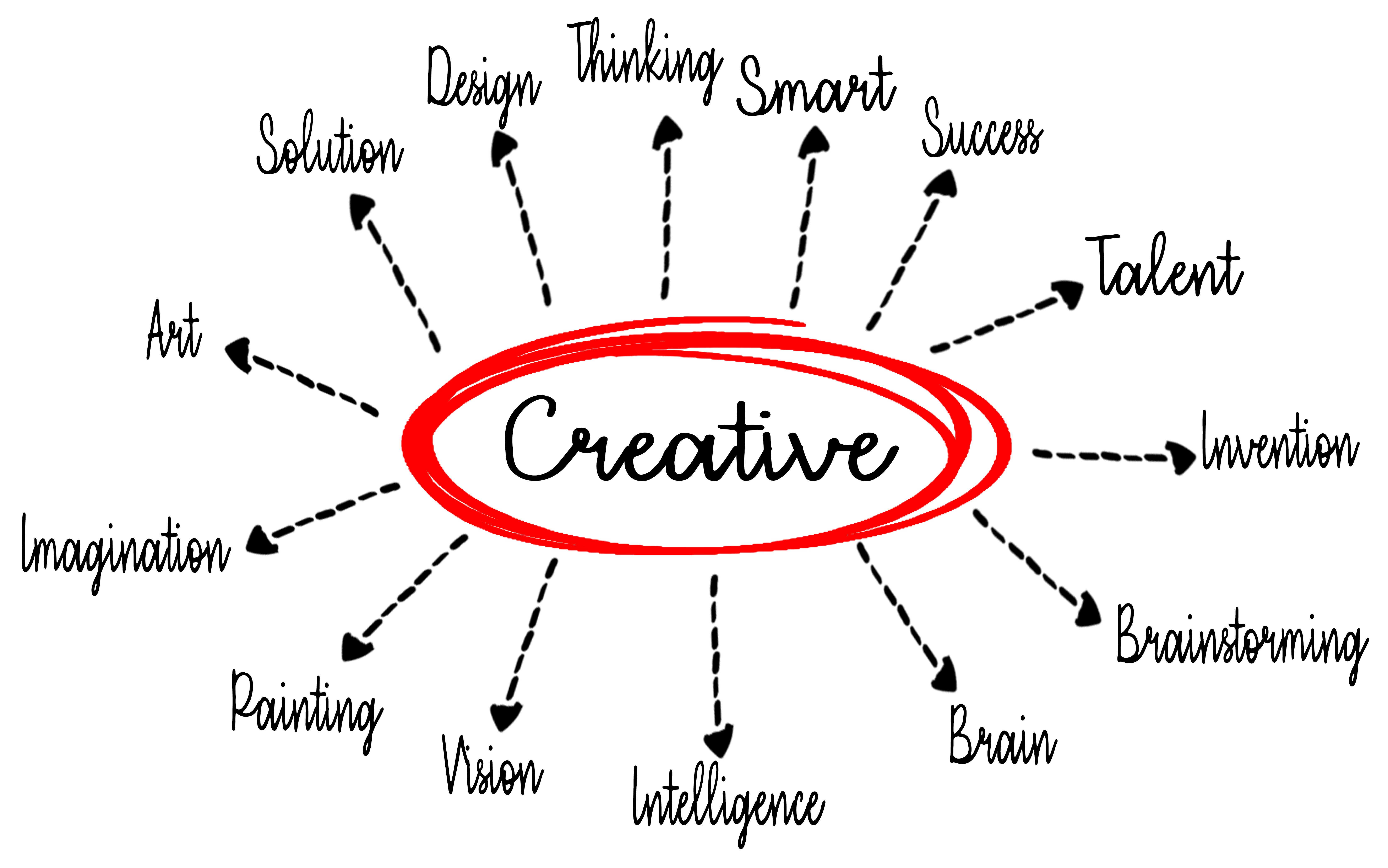
Section 4: Challenges & Risks Marketers Need to Watch
The rise of AI also brings legitimate concerns:
1. Quality Control
AI tends to “sound perfect but say nothing.”
Human editing is essential to maintain accuracy, relevance, and depth.
2. Brand Voice Consistency
Without proper guardrails, AI may:
- Over-simplify
- Change tone
- Produce generic content
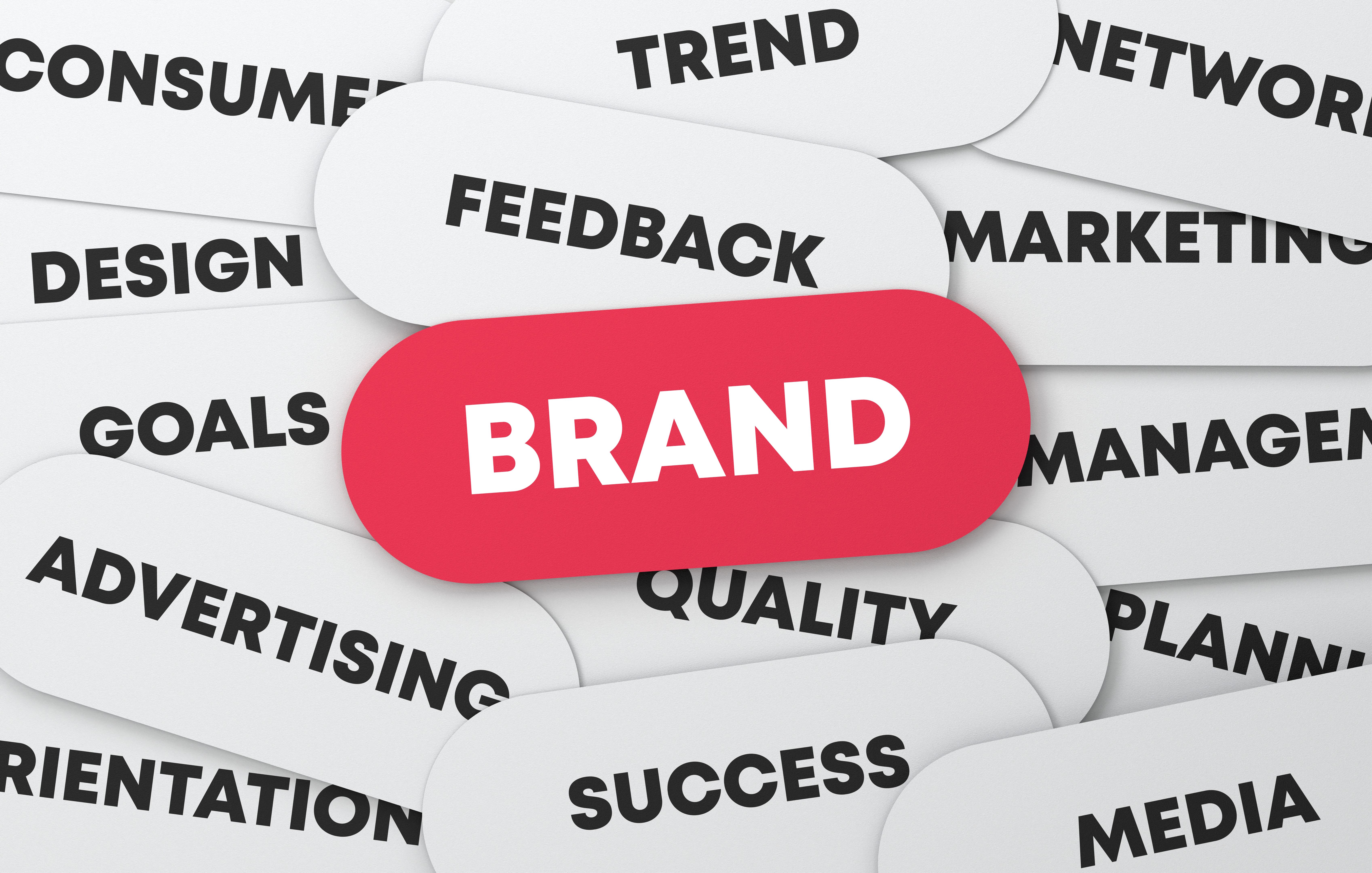
Brands must train AI on voice guidelines.
3. Trust & Authenticity
Audiences can now detect AI-heavy content.
Real experiences, case studies, and storytelling are more crucial than ever.
4. Ethical & Legal Risks
Issues include:
- Copyright
- Source transparency
- Deepfake misuse
Agencies need clear policies to maintain trust and credibility.
Section 5: Actionable Steps for Digital Marketing Agencies (Including Srikaram)
If you want to stay ahead, here’s what to do in 2025:
1. Build Your Internal AI Playbook
Define:
- Tools to use
- Approval workflows
- Brand voice rules
- AI ethics guidelines
2. Train Your Team
Upskill your content, performance, design, and SEO teams on:
- Prompt engineering
- AI-assisted research
- AI video creation
- Automation workflows
3. Implement AI in Stages
Start with:
- Content ideation
- SEO optimization
- Social media planning
Then scale to: - Campaign automation
- Predictive analytics
- Video production
4. Use AI for Client-Winning Insights
Deliver:
- Trend forecasts
- Competitor breakdowns
- Personalized recommendations
AI-backed audits impress clients instantly.
5. Build Hybrid Output: AI + Human Expertise
AI drafts → Human edits → AI optimizes → Human finalizes
This is the winning formula for 2025 and beyond.
Conclusion: The Agencies Who Adapt Will Lead
Generative AI is not just a new tool—it’s a new operating system for digital marketing.
Agencies that learn how to integrate it into strategy, content workflows, and creativity will outperform competitors, deliver better results, and scale faster.
If you want to stay competitive, now is the moment to audit your AI readiness and upgrade your marketing approach for 2025.