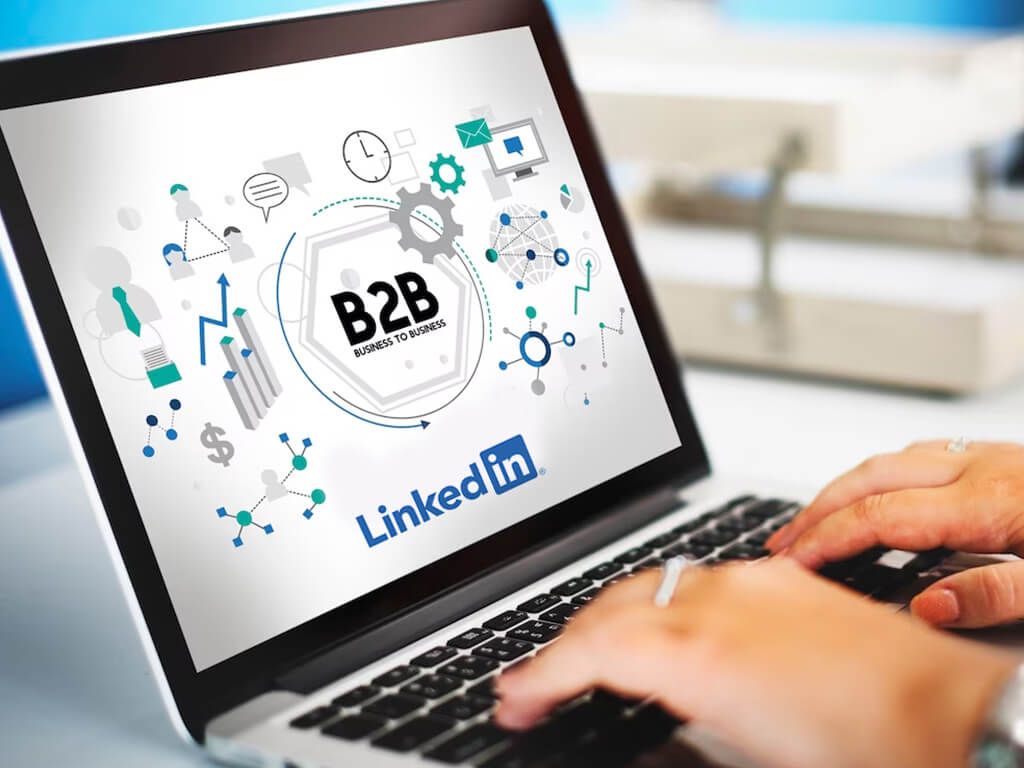
LinkedIn B2B Lead Generation 2026
SS
LinkedIn isn't just a networking platform anymore—it's where business relationships begin.
LinkedIn Is No Longer Optional for B2B Brands
Not long ago, LinkedIn was viewed as little more than an online résumé platform. Businesses created company pages, employees updated their job titles, and recruiters searched for talent. While those functions still exist, LinkedIn has evolved into something much more powerful. In 2026, it has become one of the most effective channels for LinkedIn lead generation, helping businesses connect directly with decision-makers, establish authority, and build long-term relationships that convert into revenue.
Unlike other social media platforms, LinkedIn attracts users with a business mindset. People log in to learn, explore industry trends, discover new solutions, and connect with professionals who can help solve business challenges. This creates an environment where quality conversations happen naturally, making it one of the strongest platforms for B2B marketing.
At Srikaram Digital Marketing Solutions, we've observed a common pattern across industries. Companies that consistently invest in their LinkedIn presence don't just gain followers—they generate qualified leads, build credibility, and shorten their sales cycle. The reason is simple: by the time a prospect schedules a meeting, they have already researched your company, explored your content, and formed an opinion about your expertise.
That's why LinkedIn should no longer be treated as an additional marketing channel. It should be an integral part of your digital growth strategy.
Why LinkedIn Works Better Than Traditional B2B Marketing
Business buyers have changed significantly over the last few years. Decision-makers no longer rely solely on sales presentations or cold emails. Before responding to a proposal, they research the company behind it. They visit websites, read reviews, explore social media profiles, and increasingly, they evaluate businesses through LinkedIn.
This shift has changed how companies should approach B2B marketing.
Today's buyers want to work with organisations that demonstrate expertise before asking for business. They prefer learning from brands that educate rather than simply promote their services.
Consider two software companies offering similar products.
The first company publishes occasional promotional posts highlighting discounts and product features. The second company regularly shares practical insights about automation, cybersecurity, productivity, and customer success stories. It also features thought leadership from its founders and employees.
Which company appears more credible?
For most buyers, the answer is obvious.
Trust is rarely built through advertising alone. It develops through consistent value, and LinkedIn provides the perfect platform to deliver it.
Build a Company Profile That Inspires Confidence
Many businesses underestimate how important their LinkedIn company page has become. In reality, it often serves as the digital storefront of your business.
When a prospect receives your proposal or visits your website, there's a good chance they'll also check your LinkedIn profile. Within a few seconds, they'll begin answering important questions in their mind.
Is this company active?
Do they understand their industry?
Are they trusted by clients?
Do their employees engage professionally?
If your company page appears outdated or inactive, it creates doubt—even if your products or services are excellent.
A strong LinkedIn profile should communicate your expertise immediately. This begins with a professional banner, a compelling company description, relevant industry keywords, and clear information about your services. More importantly, it should remain active through regular updates that demonstrate your knowledge rather than simply advertise your offerings.
Your company profile should reassure potential clients that they're dealing with an organisation that understands its market and stays engaged with industry developments.
Develop a LinkedIn Strategy Before Posting Content
One of the biggest reasons businesses fail to generate results on LinkedIn is the absence of a clear strategy.
Posting randomly whenever someone has time rarely delivers meaningful outcomes.
Instead, every business should begin by defining three essential questions.
Who are we trying to reach?
What problems are they trying to solve?
How can our expertise help them?
These questions shape an effective LinkedIn strategy because they shift the focus from promoting products to solving customer challenges.
For example, if your agency specialises in digital marketing for manufacturing companies, your audience isn't interested in generic marketing tips. They're looking for insights that help them generate industrial leads, improve website performance, increase exports, or strengthen their digital presence.
When content addresses specific business challenges, engagement becomes far more meaningful.
At Srikaram, we encourage businesses to think beyond promotional calendars. Every post should educate, inform, or inspire confidence. Sales naturally follow when trust has already been established.

Thought Leadership Drives Better Results Than Sales Pitches
Businesses often assume that talking more about their services will generate more enquiries.
LinkedIn data consistently proves otherwise.
Professionals engage far more with businesses that share knowledge than those that constantly promote themselves.
Thought leadership isn't about presenting yourself as the smartest person in the room. It's about sharing valuable experiences that help others make better decisions.
A manufacturing company might explain how sustainability regulations are changing packaging requirements.
An IT company could discuss emerging cybersecurity threats affecting SMEs.
A financial consultant might analyse recent tax policy changes for business owners.
These conversations position your brand as a trusted advisor instead of just another service provider.
This is where LinkedIn lead generation becomes sustainable.
Instead of chasing prospects, you're attracting businesses that already recognise your expertise before making contact.

The Most Successful Brands Don't Sell Every Day
One misconception surrounding social media marketing is that every post should encourage immediate action.
In reality, the strongest brands spend far more time educating than selling.
An effective content mix often includes:
Industry insights and trends.
Practical business advice.
Customer success stories.
Behind-the-scenes company updates.
Employee achievements.
Expert opinions.
Educational carousel posts.
Short videos explaining complex topics.
Promotional content certainly has its place, but it shouldn't dominate your LinkedIn presence.
When every post becomes a sales pitch, engagement naturally declines.
Businesses follow pages that consistently add value—not pages that constantly ask for attention.
This principle has become increasingly important as LinkedIn's algorithm continues prioritising meaningful engagement over promotional content.
People Trust People Before They Trust Brands
One of LinkedIn's biggest advantages lies in its emphasis on professional networking.
People naturally connect with individuals before companies.
That's why founder branding and employee advocacy have become such powerful tools for modern businesses.
When company leaders regularly share insights, industry opinions, lessons learned, and business experiences, they humanise the organisation.
Instead of interacting with a logo, prospects interact with people.
This creates familiarity, encourages conversations, and ultimately strengthens trust.
Companies that encourage employees to contribute meaningful content often experience significantly higher organic reach because every employee becomes an ambassador for the business.
Rather than relying on a single company page, the entire organisation begins building credibility together.
Turn Employees Into Brand Ambassadors
One of the biggest opportunities that many businesses overlook is employee advocacy. While company pages play an important role in establishing credibility, LinkedIn is fundamentally designed around people. Posts shared by individuals often receive significantly higher engagement than updates published by corporate pages because they feel authentic and encourage genuine conversations.
Imagine a company with 30 employees. If only the company page publishes content, its reach depends on one audience. But if those 30 employees actively share industry insights, company achievements, project updates, or lessons from their work, the brand's visibility multiplies organically.
Employee advocacy doesn't mean asking your team to copy and paste marketing messages. Instead, encourage them to share their own perspectives. A sales executive can write about common customer challenges, a developer can explain a new technology trend, and a project manager can discuss lessons learned from a successful implementation. Each post strengthens both the employee's professional reputation and the company's credibility.
At Srikaram Digital Marketing Solutions, we often recommend creating a simple content framework for employees rather than scripted posts. Authenticity always performs better than repetition, and audiences can easily identify when content sounds overly promotional.
Build Relationships Before You Build Your Sales Pipeline
One of the most common mistakes businesses make is treating LinkedIn like an email database. They send connection requests followed immediately by a sales pitch, hoping to generate quick enquiries.
Unfortunately, this approach usually has the opposite effect.
LinkedIn is built around professional networking, not cold selling. People are far more likely to respond when they've already seen your content, interacted with your comments, or recognised your expertise over time.
A better approach is relationship-first engagement.
Follow companies within your target industry. Engage with their posts thoughtfully instead of leaving generic comments. Congratulate business milestones, participate in industry discussions, and contribute meaningful insights wherever possible.
Over time, these small interactions create familiarity. When the time comes to introduce your services, you're no longer a stranger—you've already established credibility.
The businesses generating consistent LinkedIn lead generation results understand that relationships often begin months before the first sales conversation.
Diversify Your Content Strategy
LinkedIn has evolved far beyond simple text posts. The platform now rewards a variety of content formats, allowing businesses to educate their audience in ways that suit different learning preferences.
Carousel posts continue to perform exceptionally well because they simplify complex topics into digestible insights. Short videos help explain industry concepts quickly, while case studies provide social proof by demonstrating real business outcomes. Polls encourage engagement, newsletters build a loyal subscriber base, and document posts allow companies to showcase detailed reports or industry guides.
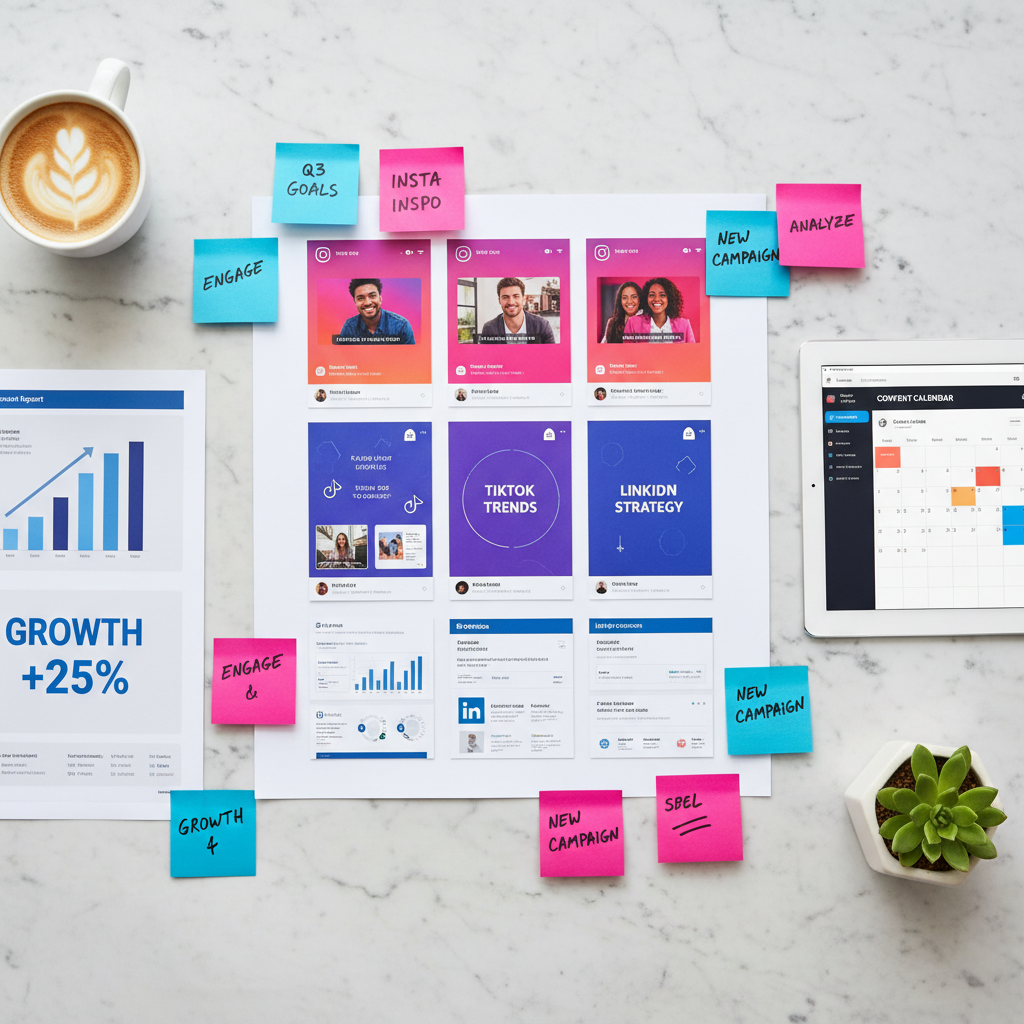
Rather than publishing the same type of content every week, businesses should create a balanced content calendar that keeps their audience engaged.
For example:
Monday: Industry trend or opinion.
Wednesday: Educational carousel or infographic.
Friday: Customer success story or case study.
Monthly: LinkedIn Newsletter with in-depth industry insights.
This variety keeps your content fresh while positioning your brand as a reliable source of knowledge.
Measure Success Beyond Likes and Followers
Many companies judge LinkedIn success by vanity metrics such as likes, comments, or follower counts. While these indicators can reflect engagement, they don't necessarily translate into business results.
A successful LinkedIn strategy focuses on metrics that contribute directly to business growth.
Instead of asking, "How many likes did this post receive?", ask more meaningful questions:
Are decision-makers visiting our profile?
Are website visits from LinkedIn increasing?
Are more qualified enquiries coming through our contact form?
Which content topics generate the most conversations?
Are prospects mentioning LinkedIn during sales meetings?
These insights reveal whether your content is supporting your business objectives rather than simply generating social engagement.
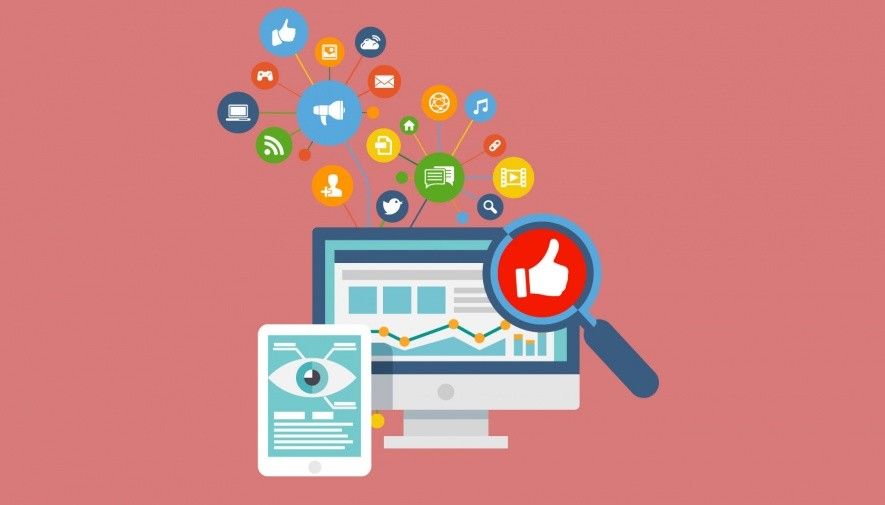
Regularly reviewing LinkedIn Analytics, website traffic, and lead sources helps refine your strategy over time. Businesses that make data-driven decisions consistently outperform those relying on assumptions.
A Practical Example of LinkedIn Lead Generation
Let's consider a practical example.
Suppose a manufacturing automation company wants to generate enquiries from factory owners.
Instead of posting weekly product brochures, the company begins publishing educational content around topics such as reducing production downtime, improving operational efficiency, and adopting smart manufacturing technologies. The Managing Director shares personal observations from factory visits, while engineers explain common automation challenges through carousel posts and short videos.
Over the next six months, these posts attract operations managers, procurement heads, and plant owners who regularly engage with the content. Some subscribe to the company's newsletter, while others begin interacting through comments and direct messages.
When one of those businesses decides to modernise its production line, the company already has a trusted position in the buyer's mind.
No aggressive selling was required.
The relationship was built through consistent value.
This is exactly how effective B2B marketing works on LinkedIn today.
Even businesses with excellent products often struggle because they repeat the same avoidable mistakes.
Some publish content inconsistently, disappearing for weeks before posting again. Others focus entirely on promotional messages, rarely offering educational insights. Many ignore comments, treating LinkedIn as a broadcasting platform rather than a community.
Another common mistake is neglecting personal branding. Businesses expect their company page to generate all the visibility while their leadership team remains inactive. In reality, decision-makers often engage more readily with founders and subject matter experts than with corporate accounts.
Finally, many organisations give up too quickly. LinkedIn isn't designed to produce overnight results. It rewards consistency, expertise, and relationship-building over time.
Businesses that commit to these principles are far more likely to generate sustainable LinkedIn lead generation opportunities.
How LinkedIn Fits Into Your Overall Digital Marketing Strategy
LinkedIn should never operate in isolation. It becomes far more effective when integrated with your broader digital marketing efforts.
For example, every blog published on your website can be repurposed into multiple LinkedIn posts. A detailed article can become a carousel, a short video, an infographic, or a series of thought leadership posts. Similarly, valuable discussions on LinkedIn can inspire future blog topics, webinars, or downloadable resources.
At Srikaram Digital Marketing Solutions, we encourage businesses to create a connected content ecosystem where every marketing channel supports the next. Your website strengthens your search engine visibility, LinkedIn builds professional credibility, email marketing nurtures prospects, and paid advertising accelerates reach. Together, these channels create a sustainable lead generation system rather than isolated campaigns.
If you're interested in building a stronger digital presence, you may also enjoy reading our related articles:
Why Most B2B Websites Fail to Generate Leads
SEO vs Google Ads: Which Strategy Delivers Better ROI?
How AI Search Is Changing Digital Marketing in 2026
Content Marketing Strategies That Drive Long-Term Business Growth
These resources complement your LinkedIn efforts and help create a complete B2B marketing strategy.
Conclusion
In 2026, LinkedIn has become much more than a professional networking platform—it has become a trusted environment where businesses evaluate potential partners, discover industry expertise, and begin conversations that lead to long-term commercial relationships.
Successful LinkedIn lead generation isn't driven by aggressive outreach or constant self-promotion. It's built through consistency, valuable content, authentic engagement, and a genuine commitment to helping your audience solve business challenges. Companies that educate, participate in industry conversations, and empower their employees to share knowledge naturally earn greater visibility and stronger trust.
A well-planned LinkedIn strategy doesn't just increase profile views or follower counts. It creates opportunities for meaningful professional networking, attracts qualified prospects, strengthens brand authority, and supports sustainable business growth.
Whether you're a startup looking for your first enterprise client or an established organisation aiming to expand into new markets, LinkedIn offers an opportunity to build relationships long before a sales conversation begins.
Ready to Generate Better B2B Leads Through LinkedIn?
At Srikaram Digital Marketing Solutions, we help businesses build data-driven LinkedIn strategies that generate visibility, credibility, and qualified leads. From content planning and personal branding to social media management and performance marketing, our team creates digital strategies designed for long-term growth.
Let's build a LinkedIn presence that attracts opportunities—not just followers. Contact Srikaram Digital Marketing Solutions today and discover how strategic content can turn your LinkedIn profile into a powerful B2B lead generation engine.