
The Future of Customer Messaging
SS
If someone had asked marketers five years ago which channel mattered most, the answer would have been almost unanimous: email.
Email was where businesses welcomed new customers, announced product launches, nurtured leads, and encouraged repeat purchases. A well-crafted email campaign could generate impressive returns, and for many brands, the inbox became the center of every customer interaction.
Today, that picture looks very different.
Customers no longer interact with brands through a single channel. They discover products on Instagram while scrolling during lunch, compare reviews on YouTube before making a purchase, ask questions through AI-powered chatbots, receive recommendations inside mobile apps, and sometimes complete a purchase without opening a single marketing email.
As a result, the debate around email vs in-app messaging 2026 is no longer about choosing one over the other. The real challenge for businesses is learning how these channels work together to create a seamless customer experience.
The Customer Journey Has Become More Dynamic
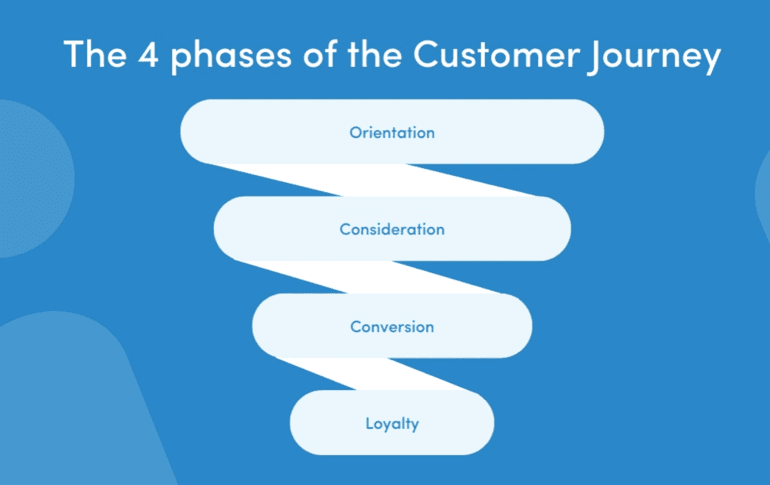
Not long ago, the customer journey was relatively predictable.
A potential customer might click on a Facebook advertisement, visit a company's website, subscribe to a newsletter, receive a few promotional emails, and eventually make a purchase. Marketing funnels were simple, and businesses had a fair amount of control over each step.
Today, that journey rarely follows a straight line.
Imagine someone looking for a new fitness tracker. They first notice a short video on Instagram featuring the product. Later that evening, they search for reviews on YouTube and read comparisons on Google. A few days later, they visit the company's website but leave without making a purchase.
Instead of immediately sending multiple promotional emails, the brand allows the customer to explore. When the customer eventually downloads the mobile app to browse features, they receive a helpful in-app message explaining how to compare different models. The next day, an email arrives with a buying guide rather than a discount code. A week later, AI recommends accessories based on the customer's browsing history.
None of these interactions feels random because each one builds on the previous experience.
This is what modern customer journeys look like.
Every interaction provides additional context, allowing businesses to communicate more intelligently.
Why Email Still Matters
Every year, articles appear claiming that email marketing is losing its effectiveness. Yet businesses continue to invest heavily in email for one simple reason—it still works exceptionally well when used correctly.
Email offers something that few other marketing channels can provide: space.
Unlike a push notification or an in-app message, email gives brands room to tell a story, explain a product, educate customers, or build long-term relationships.
Consider the different types of emails people actually appreciate receiving.
Order confirmations provide reassurance after making a purchase.
Shipping updates reduce uncertainty while customers wait for deliveries.
Monthly newsletters share valuable industry insights.
Educational emails help customers learn how to use a product more effectively.
Exclusive offers reward loyal subscribers.
These messages serve a purpose beyond simply selling.
Email also remains one of the few communication channels that businesses truly own. Social media algorithms change constantly, affecting how many people see a company's content. Search engine rankings fluctuate. Advertising costs continue to increase.
An email list, however, remains a direct connection between a business and its audience.
That's why experienced marketers don't ask whether email still matters.
Instead, they ask how email should fit into the broader customer journey.
Why Businesses Are Investing in In-App Messaging
Although email remains valuable, customer expectations have changed dramatically.
People expect information to appear when they need it—not hours later.
This is precisely where in-app messaging marketing 2026 is transforming customer communication.
Think about the apps you use every day.
Netflix recommends shows based on your viewing history.
Spotify highlights playlists created specifically for your music preferences.
Duolingo celebrates learning milestones and encourages you to maintain your streak.
Banking applications explain new features while you're exploring your account.
Food delivery apps remind you to reorder your favorite meal at dinner time.
These interactions don't interrupt your day.
They become part of your experience.
Instead of asking customers to return later, businesses communicate while customers are already engaged.
Timing is often the difference between being helpful and being ignored.
Imagine receiving an email about a hotel upgrade after you've already completed your trip.
Now imagine seeing the same offer while you're selecting your room.
One message arrives too late.
The other influences your decision.
That's why in-app messaging marketing 2026 has become such an important investment for businesses looking to improve engagement and conversions.
Customers Expect Personalization, Not Promotion
Perhaps the biggest change in modern marketing isn't the introduction of new communication channels.
It's the growing expectation that every interaction should feel relevant.
Customers no longer respond positively to generic campaigns sent to thousands of people.
Instead, they expect brands to understand their interests, remember previous interactions, and recommend products or services that genuinely match their needs.
This is where AI-driven customer messaging 2026 is changing the way businesses communicate.
Artificial Intelligence allows companies to analyze browsing behavior, purchase history, engagement patterns, preferred communication channels, and even the time of day customers are most likely to interact.
The result isn't simply more automation.
It's better communication.
Instead of sending the same promotion to every subscriber, AI can identify which customers are interested in premium products, which ones respond to educational content, and which users may need additional support before making a purchase.
Customers experience these interactions as personalization rather than marketing.
And that distinction matters.
When communication feels helpful instead of promotional, trust naturally increases.
AI Is Making Conversations Smarter
There is often a misconception that AI is replacing human communication.
In reality, it's improving it.
The best examples of AI-driven customer messaging 2026 don't feel robotic at all.
Consider an online clothing retailer.
Instead of sending a generic weekend sale email to every subscriber, AI recognizes that one customer has recently been browsing formal shoes while another has been searching for winter jackets.
Each customer receives recommendations tailored to their interests.
Similarly, a SaaS company can identify users who haven't explored an important feature. Rather than sending a lengthy tutorial email, the platform displays a short in-app message introducing the feature the next time the user logs in.
The guidance appears exactly when it's needed.
This type of contextual communication creates a much better customer experience than overwhelming users with information they may never read.
AI is also helping businesses determine which communication channel works best for different situations.
Some messages deserve the depth of an email.
Others are far more effective inside the product itself.
Understanding that difference is becoming a competitive advantage.

Email vs In-App Messaging 2026: It's Not a Competition
One of the most common questions businesses ask today is whether they should focus more on email or in-app messaging.
The answer is surprisingly simple.
They shouldn't choose.
The conversation around email vs in-app messaging 2026 often creates the false impression that one channel will eventually replace the other.
History suggests otherwise.
Every new communication platform—from SMS to social media and mobile apps—has added another layer to the customer journey rather than eliminating existing channels.
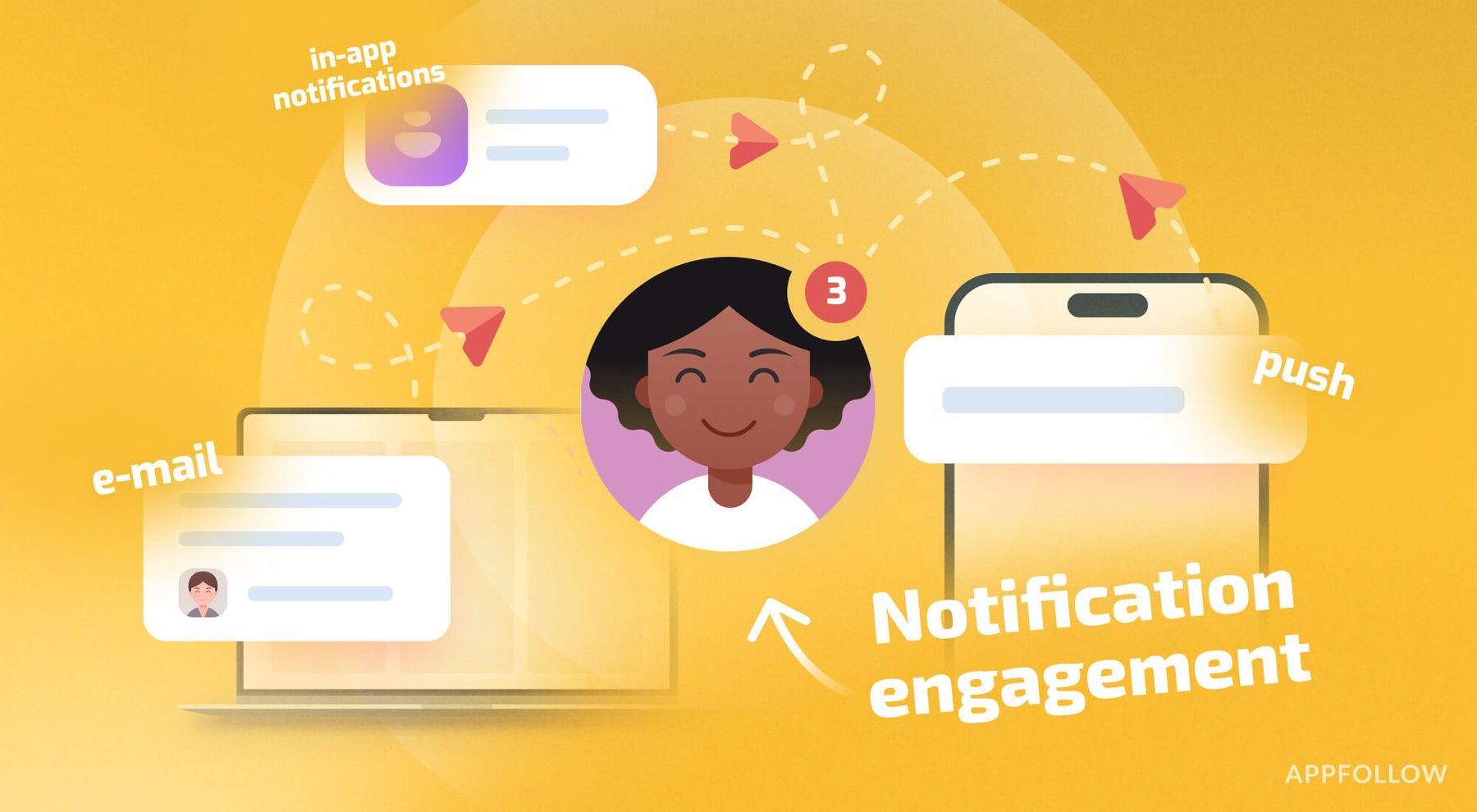
Email remains excellent for detailed communication, educational content, onboarding sequences, purchase confirmations, newsletters, and relationship building.
In-app messaging excels at guiding users during real-time interactions, announcing new features, encouraging product adoption, collecting feedback, and providing contextual recommendations.
When businesses combine these strengths instead of treating them as competing channels, customers enjoy a far more consistent experience.
That consistency is becoming one of the strongest drivers of customer loyalty in 2026.
Bringing Social Media, Email, and In-App Messaging Together
If email builds relationships and in-app messaging improves the product experience, where does social media fit into the picture?
For most businesses, social media is where the customer journey begins.
A person scrolling through Instagram notices a short product demonstration. They save the post because it solves a problem they've been trying to fix. A few days later, they see another Reel from the same brand, this time featuring customer reviews. Their curiosity grows, so they visit the company's website to learn more.
At this point, many visitors still aren't ready to buy. They might subscribe to the newsletter, download a free guide, or create an account to explore the product. This is where email takes over, providing valuable information instead of immediately pushing for a sale.
When that same customer later opens the company's app or logs into its platform, in-app messaging marketing 2026 becomes the next step. Rather than repeating information from previous emails, the app provides contextual guidance based on the customer's activity.
Each communication channel has a different responsibility.
Social media creates awareness.
Email builds trust.
In-app messaging encourages action.
AI connects everything together.
Businesses that understand this flow are creating customer journeys that feel natural instead of fragmented.
Real-World Examples of the Modern Customer Journey
The easiest way to understand this evolution is by looking at brands people interact with every day.
Amazon
Amazon doesn't rely on a single communication channel.
You may receive an email confirming your order, another notifying you that your package has shipped, and later a recommendation for related products. When you open the Amazon app, you'll also see personalized product suggestions based on your browsing history, recently viewed items, and previous purchases.
This combination of email and contextual recommendations creates a smooth shopping experience rather than separate marketing campaigns.
Spotify
Spotify sends occasional emails summarizing listening habits or announcing new features, but the platform's strongest communication happens inside the app.
Whether it's a personalized playlist, a reminder about an unfinished podcast, or the annual Spotify Wrapped experience, most interactions occur while users are actively listening to music.
This is a great example of in-app messaging marketing 2026 in action. The platform communicates when users are already engaged, making every message feel relevant.
Duolingo
Duolingo has mastered customer engagement by combining multiple channels.
Emails encourage learners to continue their language journey, while the app itself celebrates milestones, awards achievements, and reminds users to maintain their learning streak.
These messages aren't random. They're carefully timed to keep motivation high without overwhelming users.
Netflix
Netflix rarely sends excessive promotional emails. Instead, much of its communication happens inside the platform through personalized recommendations, "Continue Watching" reminders, and suggestions based on viewing history.
Behind the scenes, AI-driven customer messaging 2026 powers these recommendations by analyzing customer preferences and behavior.
The result is a highly personalized experience that keeps viewers engaged.
Building a Connected Customer Journey
Creating an effective communication strategy isn't about adding more tools. It's about making those tools work together.
A connected customer journey might look something like this:
A customer discovers your business through a social media post.
They visit your website and download a free resource.
An email welcomes them and shares additional educational content.
A week later, they download your mobile application.
The app guides them through onboarding using short in-app messages.
As they continue exploring, AI recommends features based on their behavior.
When they stop using the product for a few weeks, an email encourages them to return with useful resources instead of aggressive sales messaging.
Every interaction builds on the previous one.
Nothing feels repetitive because every channel has a clear purpose.
This integrated approach is becoming the foundation of successful in-app messaging marketing 2026 strategies.

Looking Ahead
The next few years will bring even more changes to customer communication.
Artificial intelligence will become better at understanding customer intent rather than simply analyzing past behavior. Businesses will increasingly predict customer needs before questions are asked.
Voice assistants, conversational AI, wearable devices, and smart interfaces will introduce entirely new touchpoints.
However, one thing is unlikely to change.
Customers will continue to value communication that feels timely, relevant, and respectful.
Technology may evolve, but trust will remain the foundation of every successful customer relationship.
Businesses that embrace AI-driven customer messaging 2026 while balancing the strengths of email, social media, and in-app messaging marketing 2026 will be better positioned to create experiences that customers genuinely appreciate.
Final Thoughts
For years, marketers debated which communication channel would dominate the future. Would social media replace email? Would messaging apps eliminate newsletters? Would AI make traditional marketing obsolete?
The reality has turned out to be much more interesting.
No single channel has replaced another.
Instead, the customer journey has become richer, more connected, and significantly more personalized.
Email remains one of the most trusted ways to build long-term relationships and deliver meaningful content. In-app messaging provides timely guidance exactly when customers need it. Social media introduces brands to new audiences, while artificial intelligence helps every interaction become more relevant.
This is why the conversation around email vs in-app messaging 2026 shouldn't focus on choosing a winner. The most successful businesses understand that every communication channel serves a different purpose.
When these channels work together, customers don't experience separate marketing campaigns.
They experience one continuous conversation.
And that's exactly what modern marketing should strive to achieve.