The Psychology Behind Every Click in Digital Marketing
SS
Every click tells a story — but most of it happens below the surface. From color choices to placement, emotional triggers to timing, the psychology of digital marketing shapes user behavior in subtle yet powerful ways. Let’s decode what makes people act online.
Why Clicks Aren’t Just Clicks
In the digital world, a click isn’t just an action — it’s a reaction. It’s a user’s way of saying “this matters to me.” Whether it's tapping an Instagram ad, clicking a blog link on Google, or hitting “Add to Cart,” every action stems from underlying psychological triggers.
Marketers who understand click behavior analysis don’t just chase impressions — they craft experiences that connect with how people feel, think, and decide.
In 2025, as digital consumer behavior continues to evolve, understanding the why behind every click has become more important than ever.
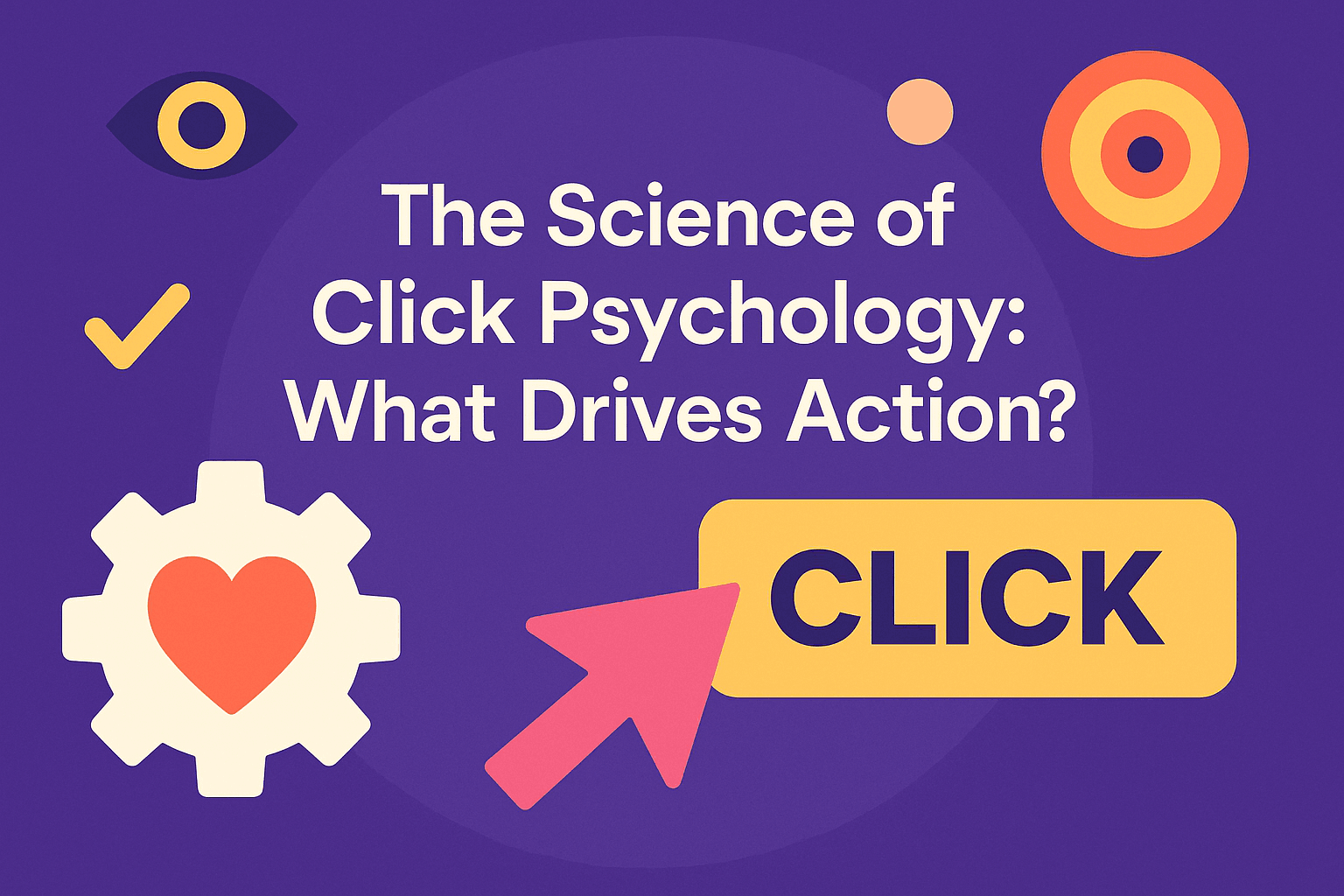
The Science of Click Psychology: What Drives Action?
So what really makes someone click? Here are the biggest psychological forces at play:
1. Emotional Triggers
Humans are emotional creatures. Words, visuals, and even colors evoke feelings that drive actions.
- Fear of Missing Out (FOMO): “Only 2 left!” or “Sale ends in 1 hour!”
- Belonging: “Join 10,000 happy customers.”
- Security: “100% Money-back Guarantee.”
- Joy & Surprise: Humorous or unexpected ads boost engagement.
✅ Keyword used: emotional marketing in digital ads
2. Color Psychology
Believe it or not, color impacts perception. Red increases urgency, blue builds trust, and yellow draws attention. That’s why CTA buttons and banners use strategic color combinations to drive clicks.
✅ Keywords: color psychology in advertising, visual impact in digital design
3. Cognitive Load
The more choices people have, the harder it is to decide. Clear layouts, simple CTAs, and focused messaging reduce friction and make it easier for users to act.
✅ Keywords: user decision-making online, UX and click behavior
4. Placement & Eye Movement
Where your CTA or product appears on the screen matters. Users follow predictable scanning patterns (like the F-pattern or Z-pattern). Smart placement = better results.
✅ Keywords: website CTA placement, ad placement psychology
5. Trust Cues
Before clicking, users scan for trust signals — like reviews, testimonials, certifications, or badges.
✅ Keywords: online trust signals, digital credibility factors
Digital Ad Psychology in 2025
Modern digital marketing isn’t about shouting louder — it’s about understanding what clicks with the mind and heart.
Marketers now blend behavioral psychology, neuromarketing techniques, and real-time A/B testing to influence how users respond.
Here are trends shaping digital ad psychology in 2025:
- AI-generated adaptive content based on user behavior
- Emotion-targeted video ads
- Personalized call-to-actions that speak directly to intent
- Instant gratification formats like “1-click checkout” or “Tap to learn more”
✅ Keywords: neuromarketing trends, AI in consumer behavior tracking, psychological targeting in ads

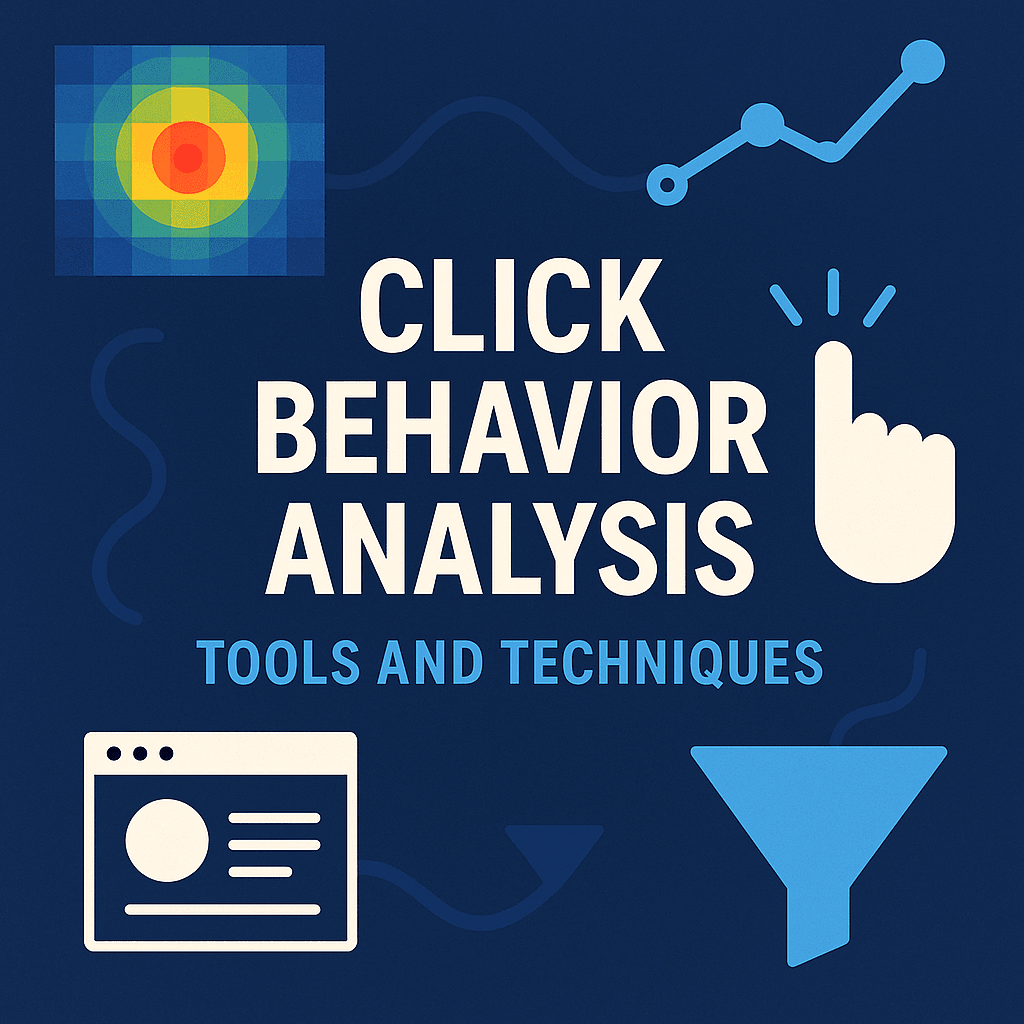
Click Behavior Analysis: Tools and Techniques
To truly master the psychology behind clicks, you need data + empathy. Here’s how modern marketers do it:
- Heatmaps & scroll maps to study where attention lands
- Behavior flow analytics via tools like Google Analytics 4
- Session recordings to view real-time user journeys
- Conversion funnel optimization based on click paths
✅ Keywords: click tracking tools, digital behavior analytics, conversion psychology
If you want more engagement, stop guessing and start applying proven principles:
- Use action-oriented language in CTAs
→ “Start Free Trial” beats “Learn More” - Highlight benefits, not just features
→ Tell users what’s in it for them - Add urgency with countdowns or limited-time offers
→ Drives immediate action - Test emotional headlines vs. logical ones
→ Sometimes “feel-good” headlines convert better - Create contrast between CTA buttons and background
→ Makes the next step visually obvious - Leverage social proof
→ Ratings, testimonials, user counts boost confidence
✅ Keywords: boost CTR with psychology, emotional CTAs, click-worthy headlines
Final Thoughts: Psychology Is the New Strategy
In digital marketing, you’re not just selling products or services — you’re influencing decisions. And to do that effectively in 2025, you need to go beyond metrics and dig into human behavior online.