
The Quiet Power of Good Design in Digital Campaigns
SS
Intro
While data and targeting steal the spotlight, great design often works quietly in the background, driving attention, emotion, and trust. Whether it’s a landing page, an Instagram ad, or a website banner, aesthetics speak louder than we think in the digital world. In 2025, design in digital marketing is no longer just about style — it’s about creating experiences, shaping perceptions, and delivering conversions.
Why Design Matters More Than Ever
We live in a digital-first era where consumers scroll endlessly, compare brands instantly, and make snap decisions in seconds. In such a crowded landscape, marketing aesthetics are what separate forgettable content from memorable campaigns.
Here’s why design has become a dealbreaker:
- First impressions count – It takes less than 3 seconds for someone to judge your brand online. Your design often speaks before your words do.
- Trust and credibility – Clean, professional design communicates reliability. Poor design instantly signals carelessness, even if your product or service is top-notch.
- User experience (UX) – Great design isn’t just about looking pretty; it’s about making things easy to use, navigate, and enjoy.
Think of it this way: you wouldn’t walk into a messy, poorly lit store and expect luxury. The same principle applies online.

Visual Marketing Trends in 2025
The future of digital campaign design is being shaped by how people consume content. Here are the visual marketing trends defining 2025:
- Minimalism with impact – Clean, bold, and clutter-free designs cut through noise.
- Micro-animations – Motion graphics and interactive elements are catching eyes in scroll-heavy feeds.
- Authenticity rules – Real photos, raw storytelling, and user-generated visuals outperform staged stock images.
- Responsive-first design – Mobile-first, dark mode adaptability, and accessibility are now non-negotiable.
- AI-powered personalization – AI helps brands tailor visuals based on audience data without losing brand consistency.
The takeaway? Visual storytelling has to be intentional, emotional, and adaptive.

Branding Through Visuals
Your visuals aren’t just decoration — they’re your identity. Branding through visuals works because people remember images far better than text.
- Logos as anchors – A strong logo becomes a visual shorthand for trust.
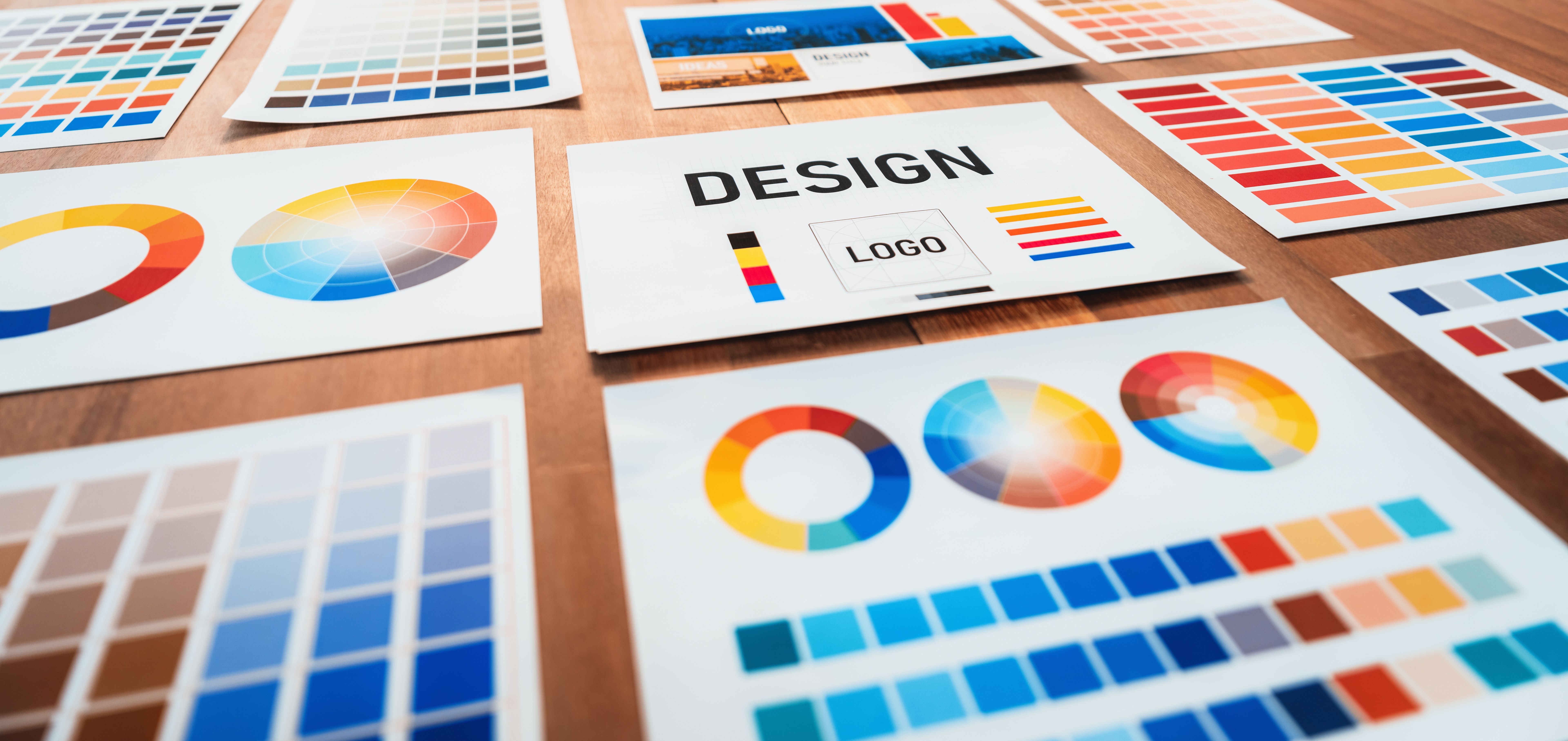
- Color psychology – Brands use specific palettes to evoke emotion: green for sustainability, red for urgency, blue for trust.
- Consistency matters – A scattered look confuses consumers. A consistent design language builds recognition across platforms.
When done right, visuals aren’t just about recognition — they create a sense of belonging for the audience.

The Psychology of Design in Marketing
Design works on a subconscious level. Every line, curve, or color has a psychological effect:
- Shapes and layouts influence how “friendly” or “serious” a brand feels.
- Typography choices build personality — classic vs. modern, playful vs. professional.
- Imagery and icons instantly tell stories faster than text can.
In other words, design becomes a language of its own, shaping the way consumers feel before they even start reading.
Design as a Conversion Booster
Behind every high-performing campaign is a design strategy that guides the user journey:
- Landing pages designed with hierarchy and focus points convert better.
- CTA buttons with the right color, size, and position increase clicks.
- Email designs that are visually engaging see higher open and click-through rates.
- Social ads with strong design create more engagement, shares, and saves.
Even subtle tweaks in design can improve conversion rates, making design one of the most powerful — yet underestimated — levers in marketing.
Real-Life Examples: Brands That Win With Design
- Apple: Mastered minimalism — every product photo or landing page screams “premium.”
- Spotify: Uses bold colors, motion graphics, and personalization to make their brand fun and user-first.
- Airbnb: Relies on authentic visuals and human-centered design to create trust and relatability.
These brands prove that design-led marketing is not a luxury — it’s a necessity for staying relevant.
Practical Takeaway: Design Do’s and Don’ts for 2025
To make this actionable, here’s a quick guide for brands:
✅ Do’s:
- Keep it clean and focused (minimalism sells).
- Use consistent color schemes and typography across channels.
- Optimize for mobile and accessibility.
- Leverage motion graphics and subtle animations.
- Invest in visual storytelling — show, don’t just tell.
❌ Don’ts:
- Overload visuals with too much text.
- Rely on outdated stock images that feel staged.
- Ignore responsive design (desktop-only visuals are dead).
- Use inconsistent branding that confuses audiences.
Final Thoughts
In 2025, design in digital marketing isn’t just about “looking nice.” It’s the invisible force that builds trust, guides users, sparks emotion, and boosts conversion rates. The smartest brands will use creative design strategy, branding through visuals, and consumer psychology in design to stand out in the ever-changing digital world.
Because at the end of the day, words can tell your story, but design makes people believe it.