Why AI Is Replacing Manual A/B Testing in 2026
SS
Remember when running an A/B test felt exciting?
You'd come up with a hypothesis, create two versions of a landing page, split the traffic, and spend the next few weeks checking results. Maybe a different headline improved conversions. Maybe a green button outperformed a blue one. Sometimes the test confirmed your assumptions. Sometimes it surprised you.
For years, that process was the backbone of digital marketing optimization.
But in 2026, many marketing teams are asking a different question:
Why are we still manually running tests when AI can do it faster, smarter, and around the clock?
The shift toward AI-driven A/B testing 2026 isn't just another marketing trend. It's changing how businesses improve campaigns, personalize customer experiences, and make decisions.
And honestly, it's making life a lot easier for marketers.
The Problem With Traditional A/B Testing
Let's be real.
Manual A/B testing has always had a few challenges.
First, it takes time.
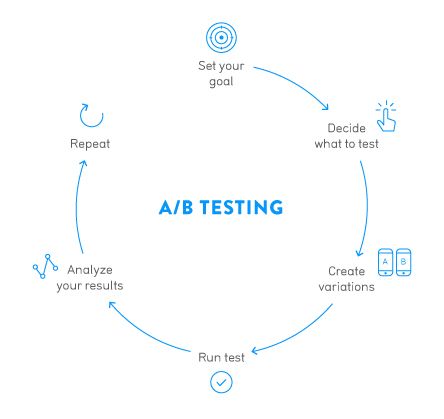
You create variations, launch the test, wait for enough traffic, analyze the results, and then implement the winner. Depending on traffic volume, that process can take days or even weeks.
Second, you're usually testing only one or two things at a time.
A headline.
A button color.
A hero image.
Meanwhile, customers are interacting with dozens of different elements across websites, emails, ads, and social platforms.
By the time you've finished one test, user behavior may have already changed.
Consumer expectations move quickly. Marketing teams need to move just as fast.
Enter AI: A Completely Different Approach
The biggest difference with AI isn't that it runs tests faster.
It's that it thinks about optimization differently.
Instead of asking:
"Which version wins?"
AI asks:
"What is most likely to work for this person right now?"
That's a huge shift.
Rather than waiting until a test is finished, AI systems continuously learn from visitor behavior and adjust experiences in real time.
Someone visiting your website for the first time might see a different message than a returning customer.
A visitor coming from Instagram may receive a different experience than someone arriving through Google Search.
The system keeps learning and improving without waiting for a marketer to manually make changes.
That's why AI-driven A/B testing 2026 is gaining so much attention. It turns optimization from a periodic activity into an ongoing process.

Why Marketers Are Embracing Machine Learning
The phrase machine-learning optimization for marketers sounds technical, but the idea is actually simple.
Think about the amount of data marketers deal with every day.
Website traffic.
Email engagement.
Ad performance.
Customer behavior.
Purchase history.
There is simply too much information for any individual or team to process effectively.
Machine learning helps identify patterns that humans might miss.
For example, it may discover that users from a particular traffic source convert better when shown social proof first. Or that mobile users respond differently to certain offers during specific times of the day.
These aren't always insights a marketer would think to test manually.
The technology doesn't replace marketers. It helps them uncover opportunities faster.
The best marketing teams today are using machine learning as an assistant rather than a replacement.
Less Time Managing Tests, More Time Creating Strategy
One of the biggest benefits of AI is that it reduces repetitive work.
Let's be honest—setting up experiments isn't always the most exciting part of marketing.
Building test variations.
Monitoring performance.
Checking statistical significance.
Preparing reports.
These tasks are necessary, but they don't always create the most value.
That's where automated experiment design 2026 is making a difference.
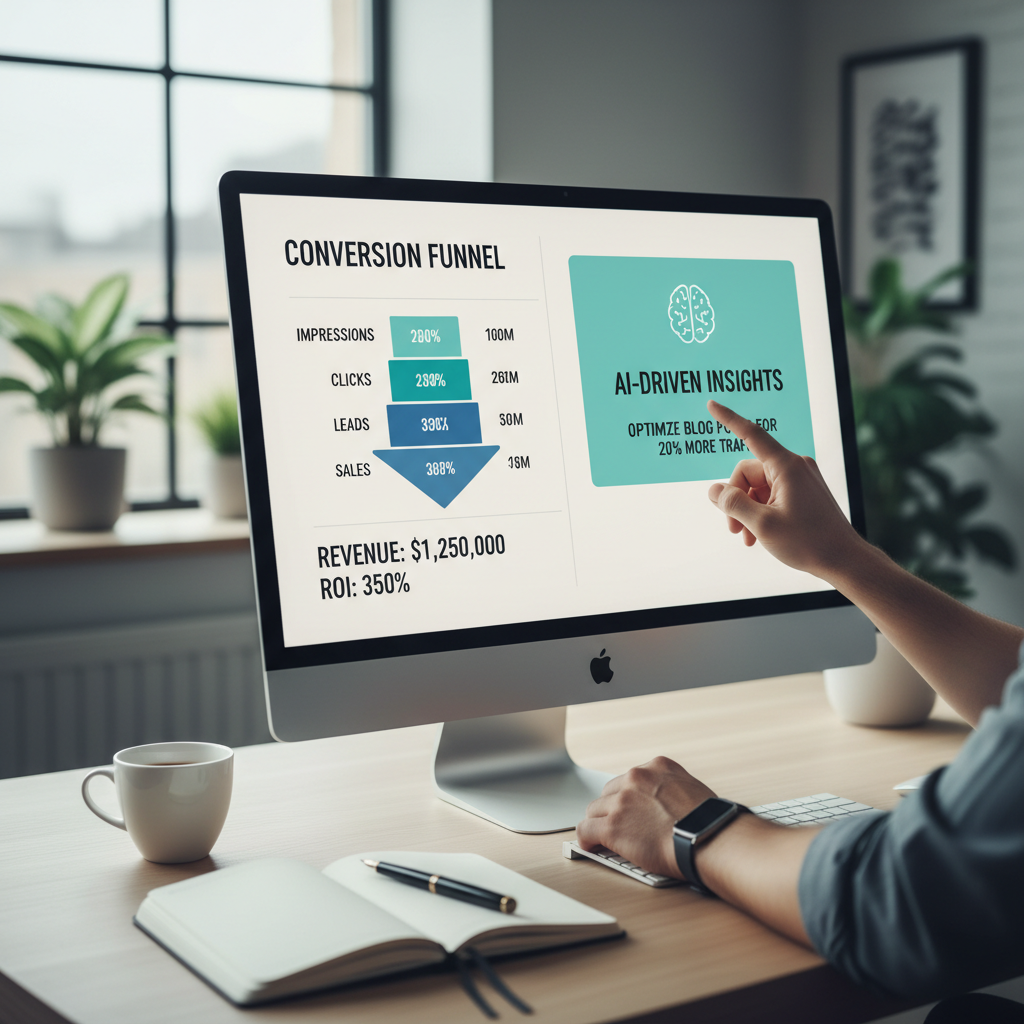
Modern optimization platforms can suggest tests, generate variations, distribute traffic intelligently, and even stop underperforming experiments automatically.
Instead of spending hours inside dashboards, marketers can spend more time focusing on things that truly require human creativity:
- Brand storytelling
- Campaign planning
- Customer research
- Content creation
- Strategic decision-making
In many ways, AI is taking care of the busy work.
Personalization Is Replacing "One Winner"
Traditional A/B testing assumes there's a single best version.
But anyone who works in marketing knows customers aren't all the same.
Different people have different motivations, concerns, budgets, and buying behaviors.
What convinces one visitor to convert may have no impact on another.
AI recognizes this reality.
Rather than finding one universal winner, it looks for the best experience for each audience segment—or even each individual user.
That's why many marketers are moving beyond testing and focusing on personalization.
The goal is no longer to discover what works best overall.
The goal is to discover what works best for each customer.
What This Means for Marketing Teams
Some marketers worry that AI will replace their jobs.
The reality looks very different.
As optimization becomes more automated, the value of human marketers actually increases.
Technology can analyze data.
Technology can identify patterns.
Technology can recommend actions.
But it still can't fully understand customer emotions, build authentic brands, create memorable stories, or develop long-term business strategies.
The marketers who thrive in 2026 won't necessarily be the best at running tests.
They'll be the ones who know how to combine creativity, customer understanding, and AI-powered insights.
Looking Ahead
We're reaching a point where manually managing dozens of A/B tests feels similar to manually updating spreadsheets in an era of automation.
It still works.
But there are smarter ways to get the job done.
The rise of AI-driven A/B testing 2026, combined with machine-learning optimization for marketers and advances in automated experiment design 2026, is helping businesses improve performance faster than ever before.
The future isn't about replacing marketers.
It's about giving them better tools.
And when repetitive optimization tasks are handled automatically, marketers gain something incredibly valuable:
More time to focus on the people they're trying to reach.
Final Thoughts
A/B testing isn't disappearing overnight.
It remains one of the most valuable practices in digital marketing.
What's changing is how those tests are designed, managed, and optimized.
Instead of manually creating every experiment and waiting weeks for answers, marketers now have access to systems that can learn, adapt, and improve continuously.
For businesses looking to stay competitive in 2026, the question is no longer whether AI should be part of the optimization process.
The real question is how long you can afford to operate without it.